



Back to catalogue
Large-flowered climber (Kordes, Climbing Max series)Tim Hermann Kordes, 2013Pink

Rose de Tolbiac

A pastel-pink climber with a nostalgic, English-style flower and the winter hardiness of Kordes.

Nostalgic bloom + Kordes winter hardiness

Variety profile

Flowering

Repeat flowering

Repeat-flowering until frost. Months are approximate, for the climate of Ukraine.

Feature

Nostalgia + toughness

A rare combination: the 'English' flower form and Kordes winter hardiness

Plant size

200–220 × 80–90 cm
person 170 cm200–220 cm
Habit
Compact climber
Dimensions
200–220 cm × 80–90 cm
Support
Needed — obelisk, arch, low wall
Shoots
Sturdy
Branching
Good

Flower

8–10 cm
Bud shape
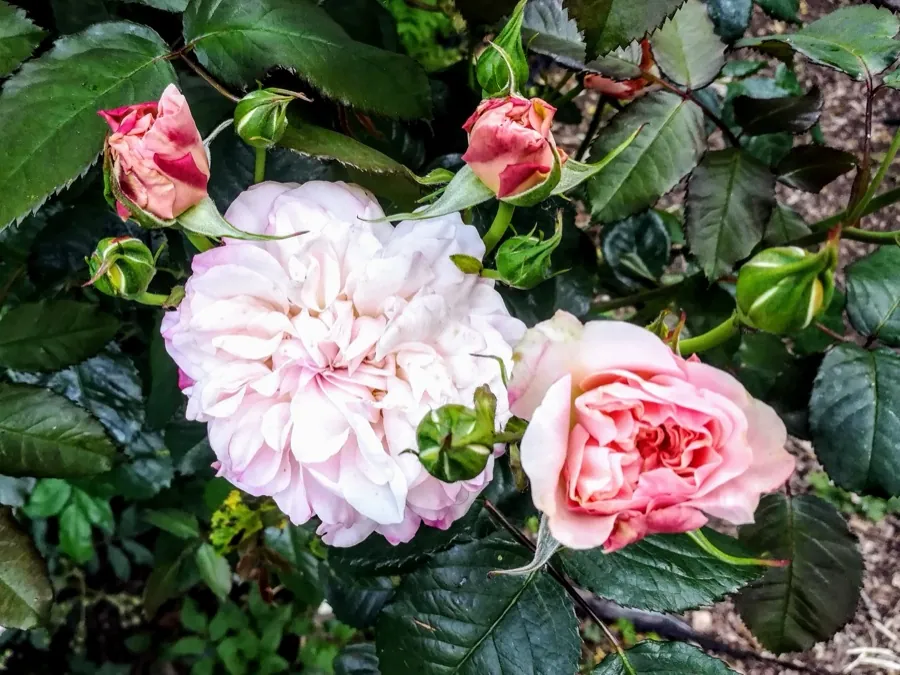
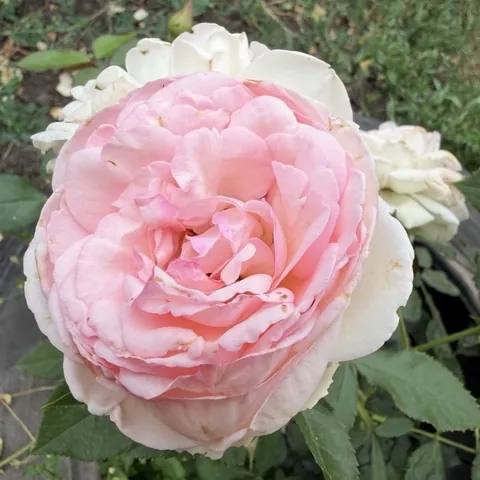
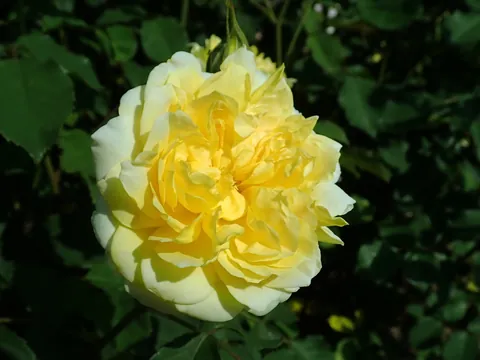
Round, pastel pink
Open flower
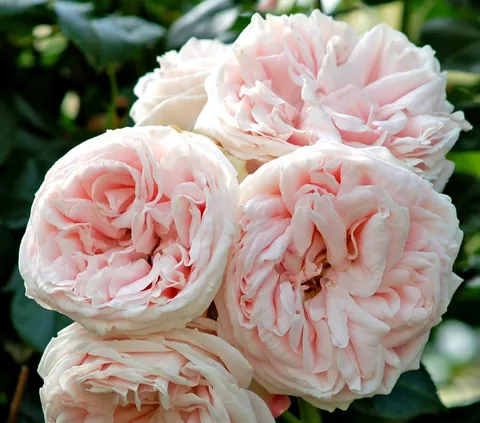
Nostalgic, quartered-cupped, in clusters; 8–10 cm
Centre
Apricot-peach glow
Fullness
Extremely double, 130–140 petals
Flower carriage
In clusters
Flower durability
Good

Fragrance

Moderate

Moderate, sweet rose with a fruity note.

Disease resistance

4 out of 5

Good (typical for Kordes).

Sun

Flowers until the first frosts

Parents — Caramella × Sebastian Kneipp.

Foliage

Healthy, dark green.

Other names

Breeder's code KORcaseipp.

All characteristics in a table
Group
Large-flowered climber (Kordes, Climbing Max series)
Breeder
Tim Hermann Kordes, Germany, 2013
Bud shape
Round, pastel pink
Open flower
Nostalgic, quartered-cupped, in clusters; 8–10 cm
Centre
Apricot-peach glow
Colour
Pastel pink; outer petals paler
Fullness
Extremely double, 130–140 petals
Flower carriage
In clusters
Flowering
Repeat-flowering until frost
Fragrance
Moderate, sweet rose with a fruity note
Flower durability
Good
Habit
Compact climber
Branching
Good
Shoots
Sturdy
Thorns
Moderate number of thorns.
Dimensions
200–220 cm × 80–90 cm
Support
Needed — obelisk, arch, low wall
Foliage
Healthy, dark green
Resistance
Good (typical for Kordes)
Use
Obelisk, arch, wall; for a small garden

Colour scheme

Pastel pink; outer petals paler

Rose neighbours

Perennials to plant nearby

Neighbouring roses

Soft pink nostalgic climbing roses are a natural companion for Rose de Tolbiac.

Perennial companions

Blue and violet perennials set off the pastel pink:

catmintsagelavenderStachys (lamb's ears)

Contrast accents

For contrast beside the pastel pink, blue and lavender:

catmintlavendersage

More about the variety

Use
Obelisk, arch, wall; for a small garden

How to grow

Where to plant. An obelisk, an arch, a low wall — a compact climber for a small garden.

Climate. USDA 6a+; Kordes rates its winter hardiness very high — reliable for Ukraine with light cover.

Care. Healthy and tough, like most modern Kordes roses; standard climber care.

About the name

Name. Tolbiac — the Roman name of the town of Zülpich (Germany); the variety was presented at the 2014 garden show.

Breeding. Tim Hermann Kordes (Germany) — not Delbard!; bred 1998, on the market 2013; code KORcaseipp. Caramella × Sebastian Kneipp.

Significance. One of the few modern climbers that combines the “English” nostalgic flower form with Kordes' hardiness and health.

Frequently asked questions about Rose de Tolbiac

How many times a season does Rose de Tolbiac flower?

Repeat-flowering until frost.

How big does Rose de Tolbiac grow?

200–220 cm tall, 80–90 cm wide.

Which diseases affect Rose de Tolbiac?

Overall resistance: 4 out of 5. Good resistance to spotting and mildew.

How much sun does Rose de Tolbiac need?

Sun; flowers until the first frosts; parents — Caramella × Sebastian Kneipp.

What does Rose de Tolbiac smell like?

Moderate, sweet rose with a fruity note.

Gardeners' photos and reviews

My climate

Choose a reference temperature to compare with the cultivar’s data. This is not an overwintering forecast or advice on winter protection; consider wind, moisture and the duration of frost.

Regional data are generalised. USDA describes average annual extreme minima, not a forecast; the values in the list are rounded. Check the conditions at your site. More information: Roses in Ukraine's climate.