


About the name
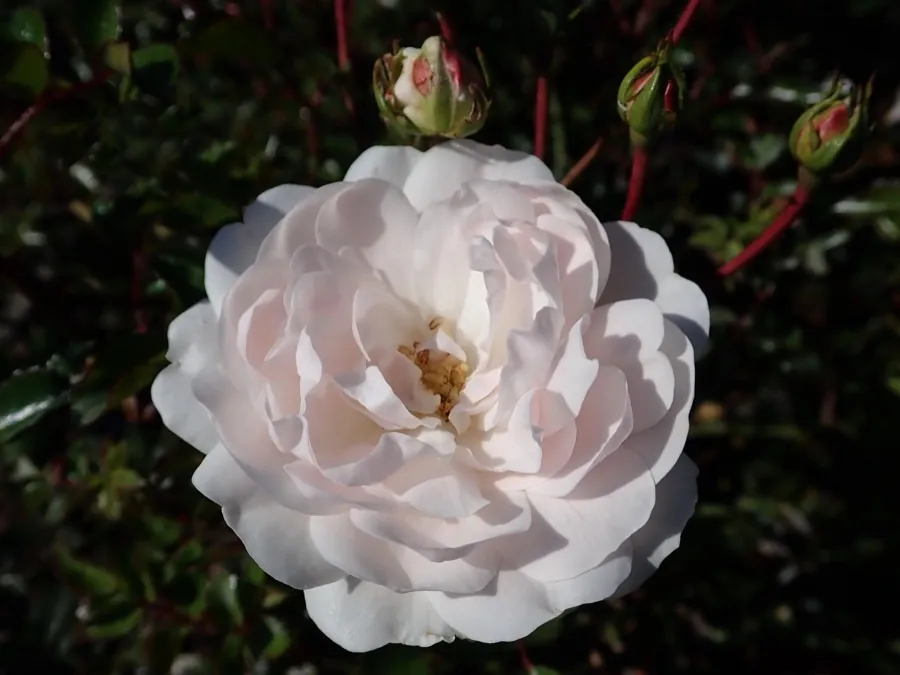
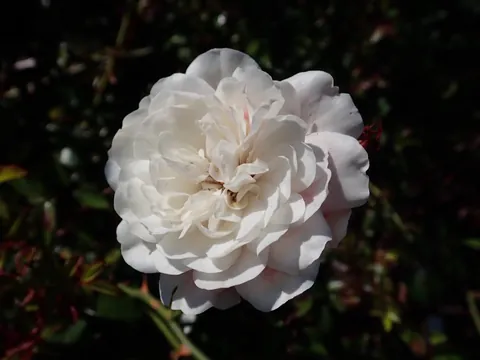
Name. 'Sea Foam' = 'sea foam' (English). Named for the cream-white cascade of flowers, which really does look like foam on the waves. A poetic, image-based name that conveys the trailing, cascading character of the bush.
Breeding. Bred by Ernest W. Schwartz, bred in 1963 and introduced in 1964 through Conard-Pyle / Star Roses (West Grove, Pennsylvania, USA). Parentage: a three-layer breeding line ('White Dawn' × 'Pinocchio'). Schwartz intended the variety as a 'rose that needs no care', and this foreshadowed the landscape revolution of the 1980s (Meidiland, Bonica).
Significance. ARS David Fuerstenberg Prize 1968, an honorary award of the American Rose Society for the best new American rose (NOT to be confused with the ARS Gold Medal, which is a separate award). Rome Gold Medal 1963, a prestigious European award given even before the official introduction. Longwood Gardens Ten-Year Trial, one of the toughest trials in the world (like Scarlet Meidiland). Earth-Kind™, from the Texas A&M Earth-Kind series: a certificate for 'a rose without chemical treatments' (not given to everyone, only to varieties that passed 5+ years of field trials without care). One of the ancestors of modern ground cover roses: in 1964 the 'rose that needs no care' genre practically did not exist; Sea Foam foreshadowed the Meidiland era (1981+) and Knock Out (2000). USDA 4b hardiness, a record for white ground covers: it overwinters easily in Ukraine without winter protection. The cascading form is a rarity among modern ground covers (most are 'low and flat').