Back to catalogue
Cut-flower rose (Florist's Rose); David AustinDavid Austin, 2013Red

Tess

Named after Thomas Hardy's novel “Tess”; the first true red cut-flower rose by David Austin.

Austin's first red cut-flower rose

Variety profile

Flowering

Repeat flowering almost continuously (in a greenhouse — year-round; in the garden — in flushes)

Feature

Cut flower

Austin's first red cut-flower rose · vase life 10–12 days

Winter hardiness

−17 °C

USDA zone 7. Southern Ukraine outdoors; further north — reliable winter protection.

Compare reference temperatures

Plant size

120–130 × 60 cm
person 170 cm120–130 cm
Habit
Compact, upright, strong-growing bush
Dimensions
120–130 cm tall × 60 cm wide
Support
Not needed — a compact bush cut rose
Shoots
Sturdy, straight — convenient for cutting
Branching
Good

Flower

7–8 cm
Bud shape
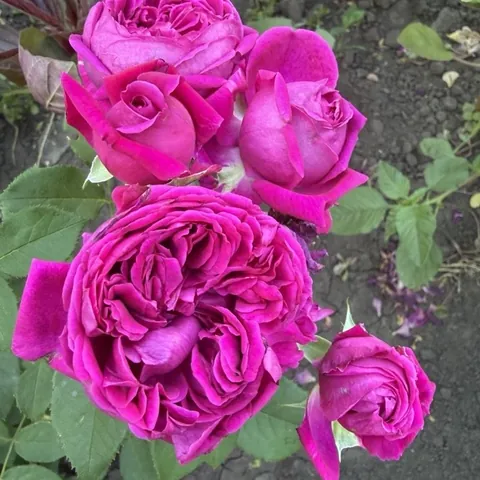
Dense, dark red
Open flower
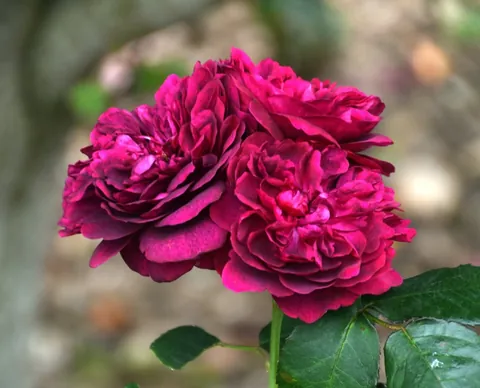
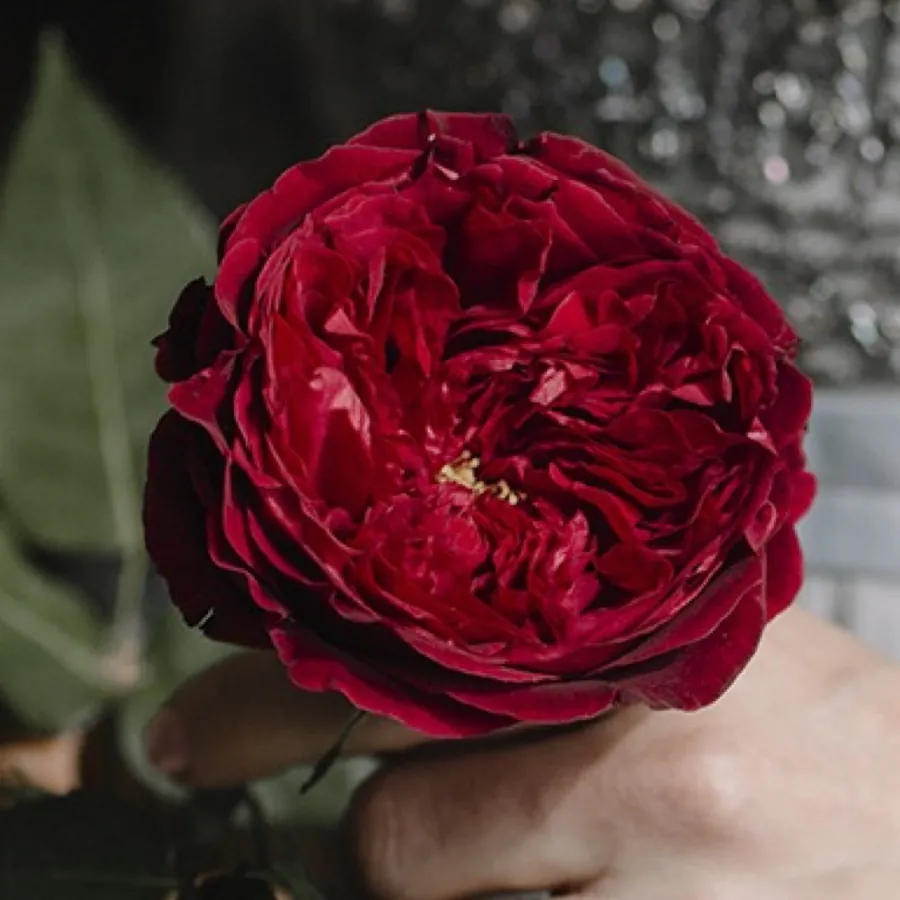
Very dense cupped, quartered rosette that opens into a saucer shape; diameter ~7–8 cm
Centre
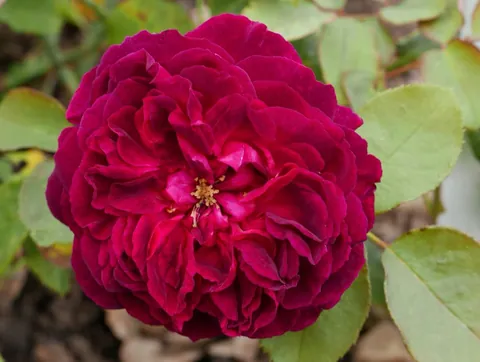
Quartered; when fully open — golden stamens
Fullness
Very double, ~120 petals
Flower carriage
Mostly solitary flowers, 1–4 per stem

Fragrance

Weak; light, with a note of tea

Weak — light, with a subtle note of tea.

Disease resistance

3 out of 5
Black spotsusceptiblePowdery mildewsusceptible

In a greenhouse — resistant; in the open garden moderately susceptible to blackspot and powdery mildew.

Sun

5–6 hours

Full sun; at least 5–6 hours of direct light.

Thorns

Moderate
thornlessfewmoderatemanyvery many

About 13 thorns per 10 cm of stem.

Foliage

Dark green, large, glossy, leathery; mostly 5 leaflets.

Other names

Breeder's code AUSyacht.

All characteristics in a table
Group
Cut-flower rose (Florist's Rose); David Austin
Breeder
David Austin, 2013
Bud shape
Dense, dark red
Open flower
Very dense cupped, quartered rosette that opens into a saucer shape; diameter ~7–8 cm
Centre
Quartered; when fully open — golden stamens
Colour
Rich velvet-red with raspberry and blackcurrant tones; the colour deepens as the flower opens
Fullness
Very double, ~120 petals
Flower carriage
Mostly solitary flowers, 1–4 per stem
Flowering
Repeat flowering almost continuously (in a greenhouse — year-round; in the garden — in flushes)
Fragrance
Weak — light, with a subtle note of tea
Hips
Cut (cut-flower rose)
Habit
Compact, upright, strong-growing bush
Branching
Good
Shoots
Sturdy, straight — convenient for cutting
Thorns
About 13 thorns per 10 cm of stem.
Dimensions
120–130 cm tall × 60 cm wide
Support
Not needed — a compact bush cut rose
Foliage
Dark green, large, glossy, leathery; mostly 5 leaflets
Resistance
In a greenhouse — resistant; in the open garden moderately susceptible to blackspot and powdery mildew
Variations of the variety
Namesake of the garden rose “Tess of the d'Urbervilles” (1998) — these are DIFFERENT varieties; vase life 10–12 days
Colour scheme

Rich velvet-red with crimson and blackcurrant tones; the colour deepens as the flower opens

Rose neighbours

Perennials to plant nearby

Neighbouring roses

Deep red and crimson varieties hold a rich, velvety tone around Tess.

Perennial companions

White gypsophila and lavender-blue flowers lighten the deep red — a classic for cutting and the garden:

lavender 'Munstead'gypsophilacatmint (Nepeta)lady's mantle (Alchemilla)

Contrasting accents

White lace and silver — an elegant partner for the dark red:

GypsophilaStachys byzantinaAlchemilla mollis

More about the variety

Hips
Cut (cut-flower rose)
Variations of the variety
Namesake of the garden rose “Tess of the d'Urbervilles” (1998) — these are DIFFERENT varieties; vase life 10–12 days
How to grow

Where to plant. First and foremost as a cut rose — for bouquets and arrangements (vase life 10–12 days). In the garden — a compact bush in a flower bed or border, in a sunny spot.

Climate. Southern Ukraine — outdoors; in central and northern areas (USDA zone 7 is the borderline) reliable winter protection is needed.

Care. Sunny spot, spring pruning, removing spent flowers, prevention of blackspot and mildew, feeding twice per season.

About the name

Name. After the heroine of Thomas Hardy's novel “Tess of the d'Urbervilles”; directly inspired by Austin's garden rose 'Tess of the d'Urbervilles' (hence the shortened name “Tess”). Breeder: David C. H. Austin (David Austin Roses), 2013 (in some registers — 2014). Patent code AUSyacht (US PP26677). Parentage: seedling × seedling.

Significance. The first true red cut rose by David Austin — bred to give florists a densely petalled red flower with the character of old garden roses. Vase life 10–12 days.

Frequently asked questions about Tess

Does Tess need winter protection?

The cultivar’s reference temperature is −17 °C (USDA zone 7). Overwintering depends on the conditions. Southern Ukraine outdoors; further north — reliable winter protection.

How many times a season does Tess flower?

Repeat flowering almost continuously (in a greenhouse — year-round; in the garden — in flushes).

How big does Tess grow?

120–130 cm tall, about 60 cm wide.

Which diseases affect Tess?

Overall resistance: 3 out of 5. In a greenhouse — good; in the open garden moderately susceptible to blackspot and mildew.

How much sun does Tess need?

Full sun; at least 5–6 hours of direct light.

What does Tess smell like?

Weak — light, with a subtle note of tea.

Gardeners' photos and reviews

My climate

Choose a reference temperature to compare with the cultivar’s data. This is not an overwintering forecast or advice on winter protection; consider wind, moisture and the duration of frost.

Regional data are generalised. USDA describes average annual extreme minima, not a forecast; the values in the list are rounded. Check the conditions at your site. More information: Roses in Ukraine's climate.