



Back to catalogue
Large-Flowered Climber; a striped vanilla-strawberry climberRobert Laperrière; Roses Laperrière, 2008Red

Vanille Fraise

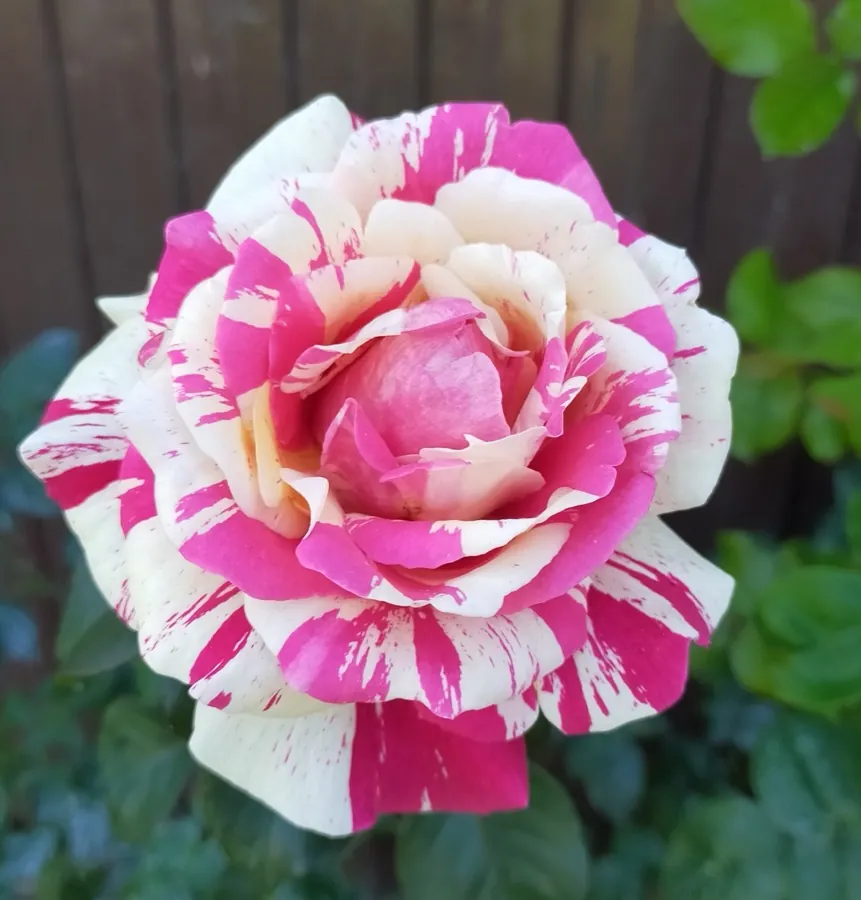
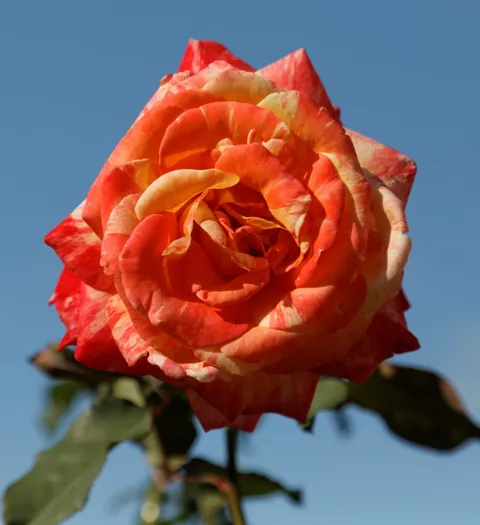
Red-raspberry stripes on a cream-yellow or pale yellow ground, like a vanilla-strawberry dessert; San Terenziano Perfume Cup 2009; the poetic French name 'Vanille Fraise' describes the colour exactly; a powerful climber up to 3 m; bred by Laperrière (NOT Delbard, as is often claimed).

San Terenziano Perfume Cup 2009

Variety profile

Flowering

Repeat flowering

Generous repeat flowering from June to October. Months are approximate, for the climate of Ukraine.

Legacy

Perfume Cup 2009

San Terenziano

Winter hardiness

−20 °C

USDA zone 6. Southern Ukraine without cover.

Compare reference temperatures

Plant size

250–300 × 175–200 cm
person 170 cm250–300 cm
Habit
Powerful climber
Dimensions
250-300 cm tall × 175-200 cm wide; a full-sized climber
Support
Essential: arch, pergola or wall
Shoots
Strong, long
Branching
Well branched

Flower

8-10 cm
Bud shape
Round, striped
Open flower
Very full (41+): 8-10 cm, up to 50 petals
Centre
Densely packed, with symmetrical inner petals
Fullness
Up to 50 petals (very full)
Flower carriage
Singly or in small clusters

Fragrance

Moderate; fruity; Perfume Cup 2009

Moderate fruity; San Terenziano Perfume Cup 2009.

Disease resistance

4 out of 5

Good, 4/5; typical Laperrière quality. USDA ~6 (down to −20 °C): southern Ukraine without cover; centre with moderate cover.

Sun

Full sun

Thorns

Moderate
thornlessfewmoderatemanyvery many

Medium number of thorns; typical for climbers.

Foliage

Dark green, semi-glossy.

All characteristics in a table
Group
Large-Flowered Climber; a striped vanilla-strawberry climber
Breeder
Robert Laperrière; Roses Laperrière, France, 2008
Bud shape
Round, striped
Open flower
Very full (41+): 8-10 cm, up to 50 petals
Centre
Densely packed, with symmetrical inner petals
Colour
Red-raspberry stripes on a cream-yellow or pale yellow ground; a rare striped pattern for climbers
Fullness
Up to 50 petals (very full)
Flower carriage
Singly or in small clusters
Flowering
Generous repeat flowering from June to October
Fragrance
Moderate fruity; San Terenziano Perfume Cup 2009
Hips
Not documented; usually cut
Habit
Powerful climber
Branching
Well branched
Shoots
Strong, long
Thorns
Medium number of thorns; typical for climbers.
Dimensions
250-300 cm tall × 175-200 cm wide; a full-sized climber
Support
Essential: arch, pergola or wall
Foliage
Dark green, semi-glossy
Resistance
Good, 4/5; typical Laperrière quality. USDA ~6 (down to −20 °C): southern Ukraine without cover; centre with moderate cover
Variations of the variety
Code LAPvanil. Introduced 2008 through Roses Laperrière (Saint-Damien-sur-Garema, France). Breeder: Robert Laperrière. Parentage not disclosed. CORRECTION: NOT Delbard, as is often wrongly said; the true breeder is Laperrière

Colour scheme

Red-raspberry stripes on a cream-yellow or pale yellow ground; a rare striped pattern for climbers

Rose neighbours

Perennials to plant nearby

Neighbouring roses

Climbers with a warm or striped palette:

Companion perennials

A sunny palette with purple accents:

lavendercoreopsisstachyscatmint (Nepeta)

Availability worldwide

A French striped climber from 2008:

🇫🇷 France: high · home🇪🇺 Europe: moderate🇺🇸 USA: moderate🇺🇦 Ukraine: moderate

More about the variety

Hips
Not documented; usually cut
Variations of the variety
Code LAPvanil. Introduced 2008 through Roses Laperrière (Saint-Damien-sur-Garema, France). Breeder: Robert Laperrière. Parentage not disclosed. CORRECTION: NOT Delbard, as is often wrongly said; the true breeder is Laperrière

How to grow

Where to plant. On an arch or pergola as a 'sweet' vertical accent; on a wall; by a bench, for its Perfume Cup-winning fragrance; as a feature in the garden for its rare striped colour.

Climate. Southern Ukraine without cover (USDA ~6, down to −20 °C); centre with moderate cover.

Care. Full sun; moderate disease prevention; feeding 2-3× per season; pruning of weak shoots in spring; as a climber, train it onto a support.

About the name

Name. 'Vanille Fraise' (French for 'vanilla strawberry') describes exactly the two-tone vanilla-strawberry palette of the flower: a cream-yellow 'vanilla' ground with red-raspberry 'strawberry' stripes. The poetic, 'tasty' name is typical of modern French marketing varieties and evokes a favourite dessert combination.

Breeding. Bred by Robert Laperrière at Roses Laperrière (Saint-Damien-sur-Garema, France). Code LAPvanil. Introduced 2008. Parentage not disclosed. Roses Laperrière is a family French rose nursery (the same firm that created Winter Lodge), specialising in modern shrubs and climbers.

Significance. San Terenziano Perfume Cup 2009, an Italian award for fragrance. Striped pattern on a climber is a rarity: most striped roses are HTs, such as Tropical Sunset, and striped climbers are a very small group. Very full, with 50 petals, which is unusual for climbers (which usually have fewer petals). The poetic, 'tasty' name makes it marketable: a climber like a vanilla-strawberry dessert on an arch. IMPORTANT CORRECTION: some legacy catalogues wrongly list it as Delbard; the true breeder is Laperrière. No major ADR/AARS/RHS AGM awards.

Frequently asked questions about Vanille Fraise

Does Vanille Fraise need winter protection?

The cultivar’s reference temperature is −20 °C (USDA zone 6). Overwintering depends on the conditions. Southern Ukraine without cover.

How many times a season does Vanille Fraise flower?

Generous repeat flowering from June to October.

How big does Vanille Fraise grow?

250–300 cm tall, 175–200 cm wide.

Which diseases affect Vanille Fraise?

Overall resistance: 4 out of 5. Typical Laperrière quality.

How much sun does Vanille Fraise need?

Sun; full sun.

What does Vanille Fraise smell like?

Moderate fruity; San Terenziano Perfume Cup 2009.

Gardeners' photos and reviews

My climate

Choose a reference temperature to compare with the cultivar’s data. This is not an overwintering forecast or advice on winter protection; consider wind, moisture and the duration of frost.

Regional data are generalised. USDA describes average annual extreme minima, not a forecast; the values in the list are rounded. Check the conditions at your site. More information: Roses in Ukraine's climate.