

Back to catalogue
Hybrid TeaRose Barni, 2004Apricot and orange

Anna Fendi

An Italian variety by Anna Medici Barni; a tribute to fashion icon Anna Fendi.

Rose Barni collection · tribute varieties

Variety profile

Flowering

In flushes all season

Winter hardiness

−20 °C

USDA zone 6b–9b. Forest-Steppe and south of Ukraine · north with winter protection.

Compare reference temperatures

Plant size

100 × 100 cm
person 170 cm100 cm
Habit
Upright, compact
Dimensions
About 100 cm tall × 100 cm wide
Support
No support needed — the bush is free-standing and keeps its shape without a trellis (support is needed only for climbing varieties)
Shoots
Sturdy, straight — good for cutting
Branching
Moderate, neat bush

Flower

≈ 10 cm

17–25 petals.

Bud shape
Classic elongated Hybrid Tea bud
Open flower
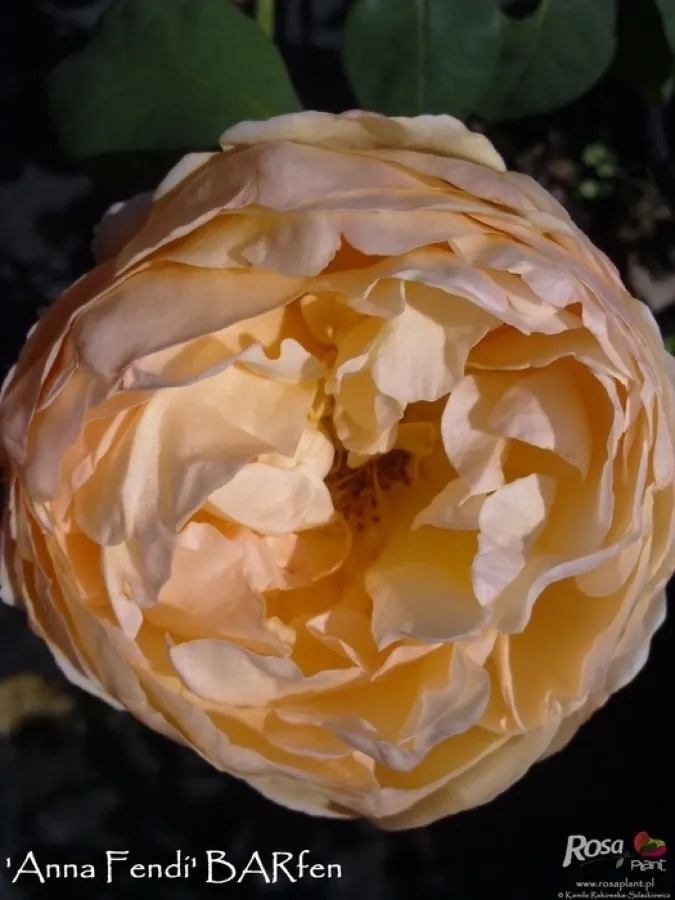
High centre, gradually opening into a classic rosette; diameter about 10 cm
Centre
Dense, conical
Fullness
Double, 17–25 petals
Flower carriage
Mostly single flowers on long, sturdy stems — a cut-flower type

Fragrance

Moderate

Moderate (Rose Barni's description: delicato e dolce — pleasant and noticeable, but not heavily perfumed).

Disease resistance

3 out of 5

Medium — standard for Hybrid Teas.

Sun

A sunny spot is essential for the colour to open fully

Thorns

Many
thornlessfewmoderatemanyvery many

. Medium-large prickles, evenly spaced along the cane.

Foliage

Medium green, semi-glossy.

All characteristics in a table
Group
Hybrid Tea
Breeder
Rose Barni, 2004
Bud shape
Classic elongated Hybrid Tea bud
Open flower
High centre, gradually opening into a classic rosette; diameter about 10 cm
Centre
Dense, conical
Colour
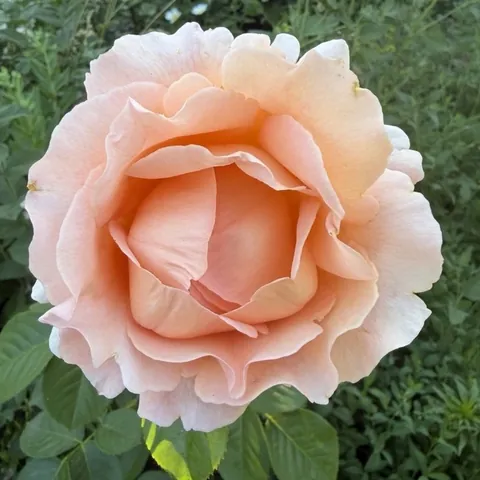
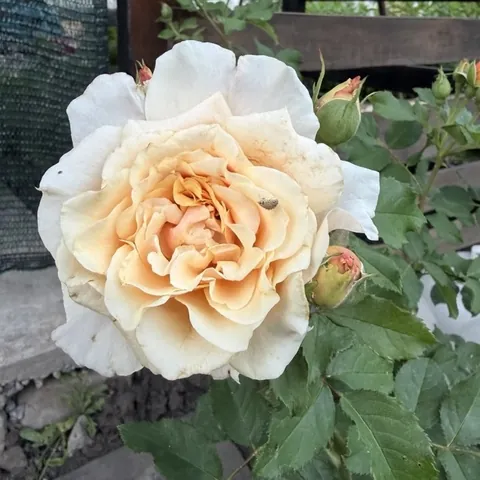
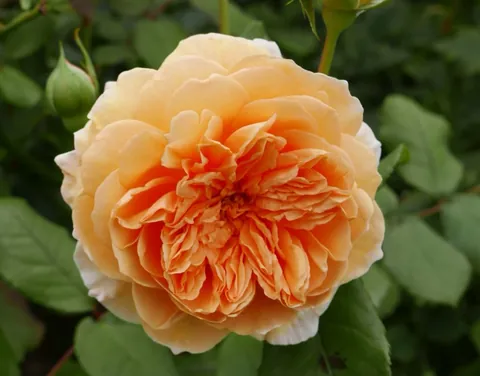
Intense apricot at the centre, softening to creamy at the edges; the flower fades with age to an almost cream colour
Fullness
Double, 17–25 petals
Flower carriage
Mostly single flowers on long, sturdy stems — a cut-flower type
Flowering
In flushes all season
Fragrance
Moderate (Rose Barni's description: delicato e dolce — pleasant and noticeable, but not heavily perfumed)
Hips
Rare, typical of Hybrid Teas
Habit
Upright, compact
Branching
Moderate, neat bush
Shoots
Sturdy, straight — good for cutting
Thorns
. Medium-large prickles, evenly spaced along the cane.
Dimensions
About 100 cm tall × 100 cm wide
Support
No support needed — the bush is free-standing and keeps its shape without a trellis (support is needed only for climbing varieties)
Foliage
Medium green, semi-glossy
Resistance
Medium — standard for Hybrid Teas
Variations of the variety
One of several ‘fashion’ varieties in the Rose Barni collection, dedicated to icons of Italian fashion

Colour scheme

Intense apricot at the centre, softening to creamy at the edges; the flower fades with age to an almost cream colour

Rose neighbours

Perennials to plant nearby

Neighbouring roses

An apricot-cream palette keeps one couture mood around Anna Fendi.

Perennial companions

A soft blue-violet and silver framework sets off the warm apricot and adds refined coolness:

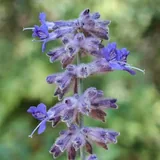
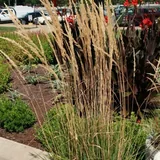
Perovskiacatmint (Nepeta)heuchera ‘Caramel’blue fescue

Contrasting accents

For play of intensity, warm and cool accents:

Echinacea Cheyenne SpiritVerbena bonariensisAllium sphaerocephalon

More about the variety

Hips
Rare, typical of Hybrid Teas
Variations of the variety
One of several ‘fashion’ varieties in the Rose Barni collection, dedicated to icons of Italian fashion

How to grow

Where to plant. A formal bed, a traditional garden or a cut-flower bed; grows well in a container of 30 L or more. A classic Hybrid Tea — as a specimen or in groups of 3.

Climate. Hardy to −20 °C — the Forest-Steppe and the south are ideal; in the north, winter cover is essential. Needs a sunny spot.

Care. Prevent black spot; formative pruning to 3–5 buds in spring; remove spent flowers for continuous blooming; feed with a rose fertiliser 3 times per season.

About the name

Name. After Anna Fendi (born 1933), one of the five Fendi sisters who turned the family's Roman atelier into a world-class fashion house; a face of Italian elegance in the second half of the twentieth century.

Breeding. Bred by Anna Medici Barni for the Italian breeding house Rose Barni and introduced in 2004. Parentage not published (Barni usually does not publish details for named varieties). Sold as ANNA FENDI®.

Meaning. A tribute to Italian fashion and women's enterprise — a dedication to a ‘fashion icon’, part of the Rose Barni collection of varieties named after outstanding Italian women.

Frequently asked questions about Anna Fendi

Does Anna Fendi need winter protection?

The cultivar’s reference temperature is −20 °C (USDA zone 6b–9b). Overwintering depends on the conditions.

How many times a season does Anna Fendi flower?

In flushes all season.

How big does Anna Fendi grow?

About 100 cm tall, about 100 cm wide.

Which diseases affect Anna Fendi?

Overall resistance: 3 out of 5. Medium; typical of classic Hybrid Teas, needs preventive care.

How much sun does Anna Fendi need?

Sun; a sunny spot is essential for the colour to open fully.

What does Anna Fendi smell like?

Moderate (Rose Barni's description: delicato e dolce — pleasant and noticeable, but not heavily perfumed).

Gardeners' photos and reviews

My climate

Choose a reference temperature to compare with the cultivar’s data. This is not an overwintering forecast or advice on winter protection; consider wind, moisture and the duration of frost.

Regional data are generalised. USDA describes average annual extreme minima, not a forecast; the values in the list are rounded. Check the conditions at your site. More information: Roses in Ukraine's climate.