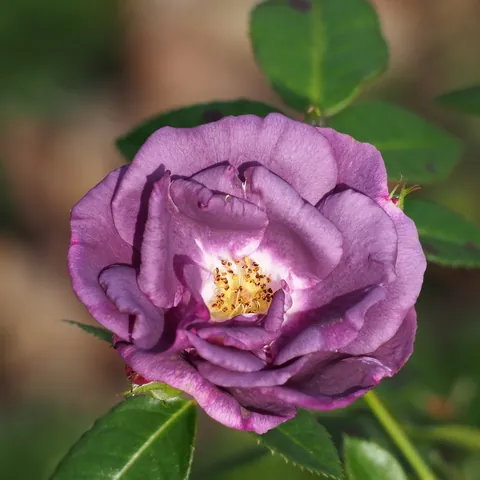
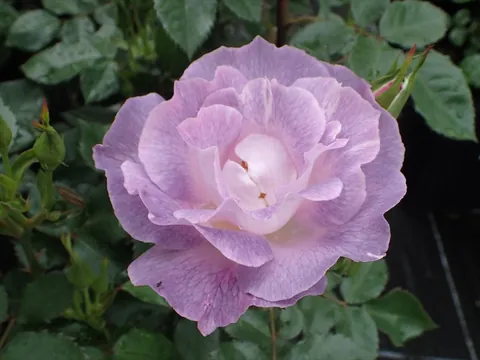
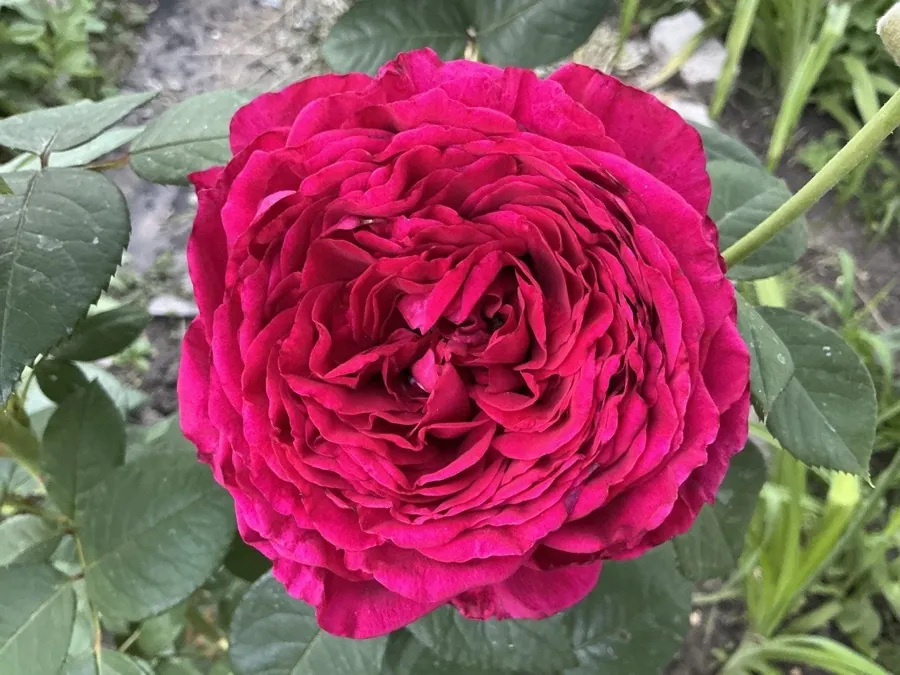
Ascot, close-up of the flower
Back to catalogue
Hybrid Tea; nostalgicTantau, 2007Lilac and purple

Ascot

Rosen Tantau 2007 · compact Hybrid Tea rose with round violet-purple flowers.

Variety profile

Flowering

Repeat-flowering in waves

Plant size

70–100 cm
person 170 cm70–100 cm
Habit
Compact, upright
Dimensions
70–100 cm tall; a compact bushy shrub with sturdy upright canes
Shoots
Sturdy, straight, short to medium
Branching
Good, bushy

Flower

10–12 cm
Bud shape
Dense, round, dark wine-red
Open flower
Globular-cupped, like a peony; diameter 10–12 cm
Centre
Tightly packed, with spiral petals
Fullness
Very full, 26–40 petals
How it flowers on the shoot
Mostly solitary flowers, less often small clusters

Fragrance

Medium

Moderate, tea-scented, with a note of old rose.

Sun

A well-ventilated spot

In a favourable climate the variety can grow taller and may need shaping.

Foliage

Dark green, semi-glossy.

Other names

Askot
All characteristics in a table
Group
Hybrid Tea; nostalgic
Breeder
Tantau, 2007
Bud shape
Dense, round, dark wine-red
Open flower
Globular-cupped, like a peony; diameter 10–12 cm
Centre
Tightly packed, with spiral petals
Colour
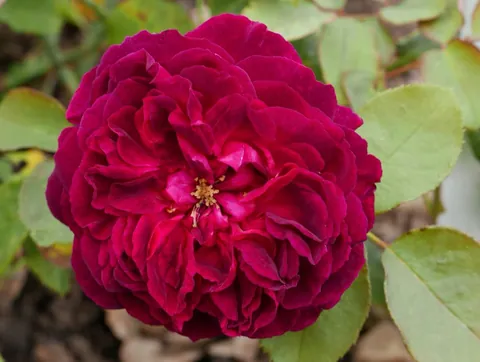
Purple-violet with shades of raspberry and lilac; the edge is often darker
Fullness
Very full, 26–40 petals
How it flowers on the shoot
Mostly solitary flowers, less often small clusters
Flowering
Repeat-flowering in waves
Fragrance
Moderate, tea-scented, with a note of old rose
Habit
Compact, upright
Branching
Good, bushy
Shoots
Sturdy, straight, short to medium
Dimensions
70–100 cm tall; a compact bushy shrub with sturdy upright canes
Foliage
Dark green, semi-glossy
Resistance
The flowers hold their shape for a long time; in prolonged wet weather, check the foliage regularly
Variations of the variety
Suitable for containers; synonym Askot
Colour scheme

Purple-violet with shades of raspberry and lilac; the edge is often darker

Rose neighbours

Perennials to plant nearby

Not a ready-made scheme, but directions

How to combine Ascot in the garden

Ascot has dense purple-raspberry round flowers. A neighbouring rose can lighten the composition, create a powder-pink transition or develop the cool palette with a different flower scale.

Light base

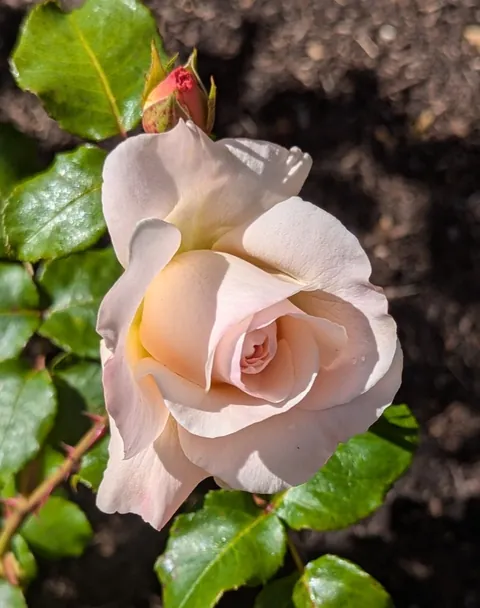
White-pink sprays create a clean pause and bring out the rich purple of Ascot.

Powder-pink transition

Soft pink cups soften the move from white to purple and add a calmer middle tone.

Developing the cool palette

Choose lavender-pink depth or a sharper fuchsia-raspberry rhythm of a different form. You do not need to use both accents together.

Companion perennials

Partners are placed by conditions: perovskia and lavender in drier sun, heuchera on a cooler edge.

  • Perovskia. A see-through blue vertical lights up the purple flower; plant it on a sunny, well-drained edge.
  • Heuchera 'Obsidian'. Dark foliage supports the cherry shadows, but the heuchera is better placed on a cooler edge with morning sun.
  • Lavender. Blue-grey foliage and lavender spikes give a related cool tone; a drier edge is needed.
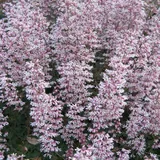
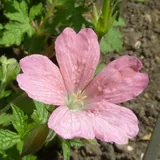
  • Geranium 'Wargrave Pink'. The warm-pink single flower softens the purple and creates a lower tier without repeating the form of the rose.

What to avoid

Do not surround Ascot with several very double purple and fuchsia varieties of the same height: the composition will become heavy and lose its clear main role.

More about the variety

Variations of the variety
Suitable for containers; synonym Askot
How to grow

Where to plant. At the front or middle of a mixed border, beside a light-coloured wall, or in a large container. Conditions: sun, air circulation, and 40–50 cm between neighbouring bushes. Water less often but thoroughly, without keeping the soil constantly wet. Winter in Ukraine: in the south and in sheltered places the base is earthed up; in central, northern and eastern regions the bush is covered with breathable material after a sustained cold spell.

About the name

Ascot is a Hybrid Tea rose from Rosen Tantau, introduced in 2007. The official description notes a compact bush, globular, full purple-violet flowers and the scent of tea rose. The breeder does not explain the origin of the name or the parentage in the current record, so we do not present the ‘Royal Ascot’ version as an established fact.

Frequently asked questions about Ascot

How many times a season does Ascot flower?

Repeat-flowering in waves.

How big does Ascot grow?

70–100 cm tall.

How much sun does Ascot need?

Sun; a well-ventilated spot; in a favourable climate the variety can grow taller and may need shaping.

What does Ascot smell like?

Moderate, tea-scented, with a note of old rose.

Gardeners' photos and reviews

My climate

Choose a reference temperature to compare with the cultivar’s data. This is not an overwintering forecast or advice on winter protection; consider wind, moisture and the duration of frost.

Regional data are generalised. USDA describes average annual extreme minima, not a forecast; the values in the list are rounded. Check the conditions at your site. More information: Roses in Ukraine's climate.