



About the name
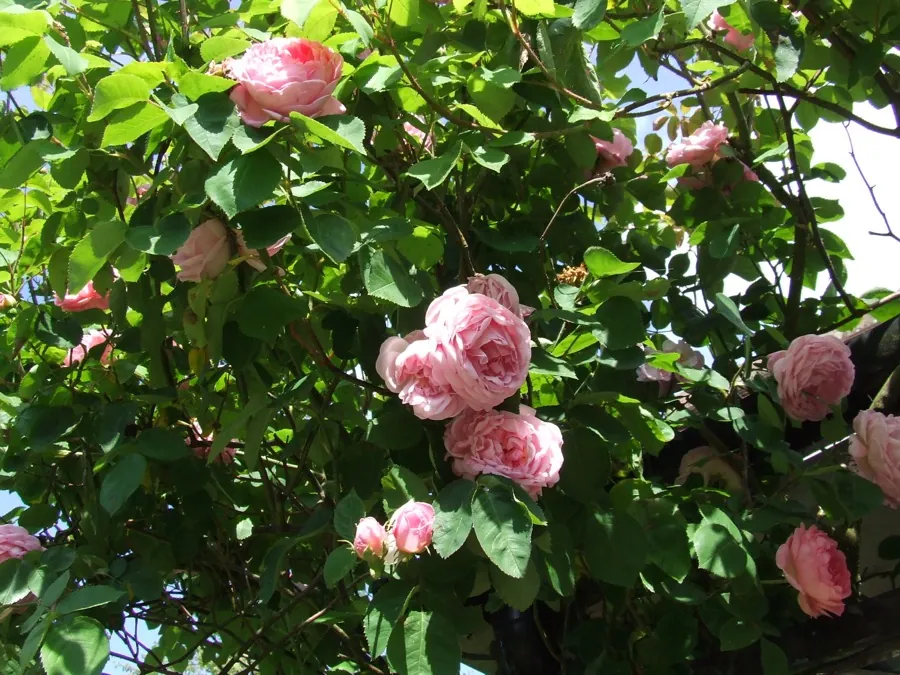
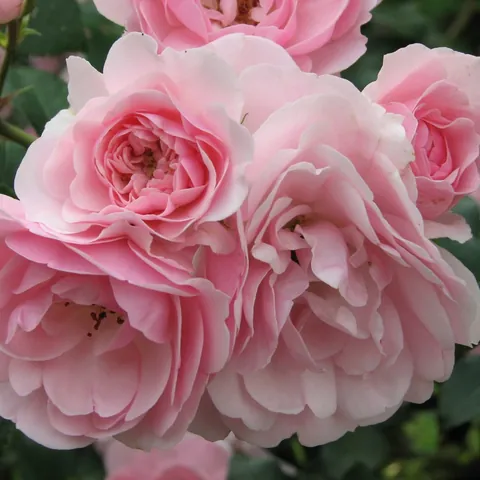
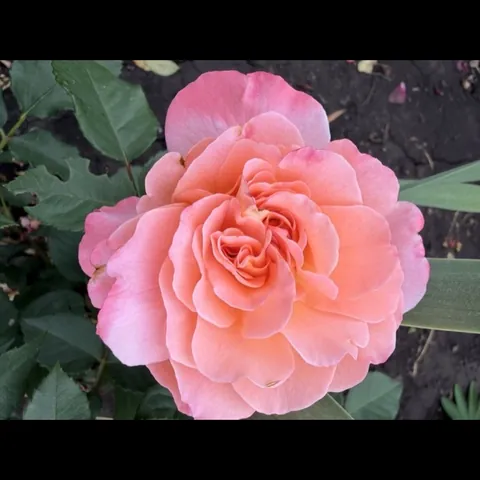
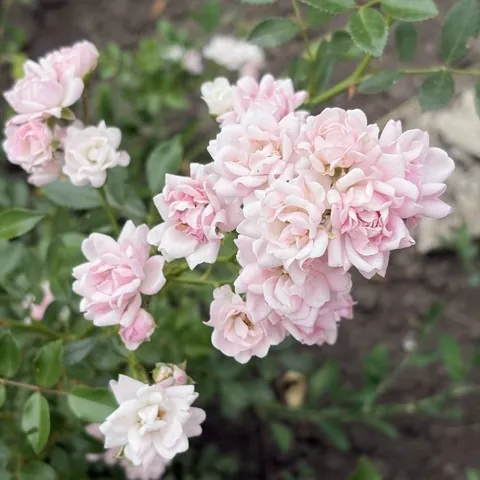
Name. After Constance Spry (1886–1960), the British florist and revolutionary of floral design who popularised old roses in bouquets and books long before it became mainstream. She decorated the wedding of Elizabeth II and the 1953 coronation. Bred by David C. H. Austin (then still an amateur farmer from Shropshire) in Great Britain; introduced through Sunningdale Nurseries in 1961. Patent code AUSfirst – literally ‘the first Austin’. Parentage: Belle Isis (Gallica, Parmentier 1845) × Dainty Maid (Floribunda, LeGrice 1938). This combination became Austin's ‘formula’.
Significance. THE STARTING POINT of a whole direction in modern rose breeding. Until 1961 the rose world was divided: Hybrid Teas (elegant form, repeat flowering, poor fragrance) and old roses (luxurious form, intense fragrance, only one flowering). Austin set out to combine these two worlds. The first successful cross – Belle Isis × Dainty Maid – gave a strongly scented pink rose with the form of an old rosette-shaped bud. For a long time this was the only ‘English’ variety – the next, Wife of Bath, appeared only in 1969. This is 'Sort Zero' for David Austin Roses – without it there would be no Mary Rose, Graham Thomas, Gertrude Jekyll or Olivia Rose Austin. Over 200 English Roses since then are direct or indirect descendants of that philosophy. The irony: Austin was dissatisfied with once-flowering; the whole subsequent direction of his breeding was a struggle against this limitation of the parent variety. RHS Award of Garden Merit (1993).