



Back to catalogue
Shrub roseDominique Massad; Roseraie Guillot, 2003Pink

Institut Lumière

Named after the Institut Lumière in Lyon, the national film archive in the villa of the brothers Auguste and Louis Lumière (inventors of cinema, 1895). CORRECTION: the diary lists Meilland, but it is actually Massad/Guillot. The 6th Massad in our catalogue.

Generosa® · Guillot collection

Variety profile

Flowering

Repeat-flowering

Origin

Guillot

2003 · Generosa® collection · Massad

Winter hardiness

−23 °C

USDA zone 6b–9b. In Ukraine with moderate winter protection.

Compare reference temperatures

Plant size

100–110 × 40–50 cm
person 170 cm100–110 cm
Habit
Upright shrub: the typical Generosa habit
Dimensions
100–110 cm tall × 40–50 cm wide
Support
No support needed
Shoots
Sturdy, straight, holding the double flowers well
Branching
Good

Flower

≈ 9 cm

17–25 petals.

Bud shape
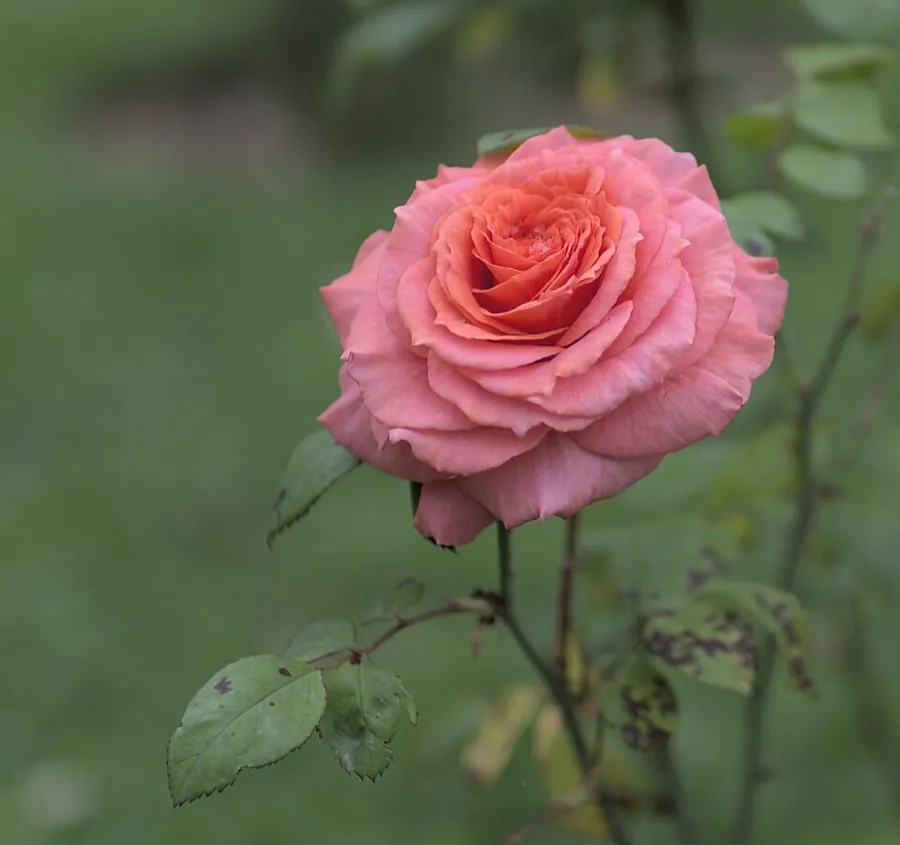
Round-oval, warm pink-orange
Open flower
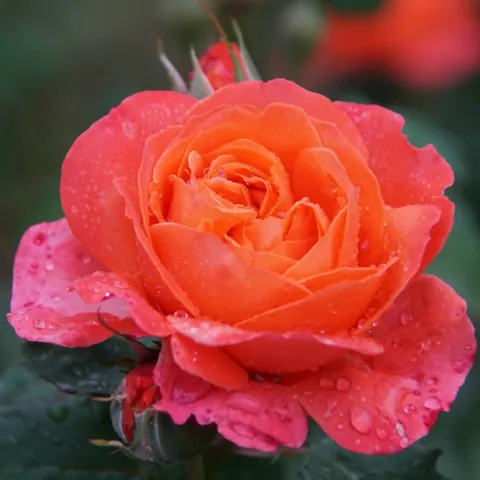
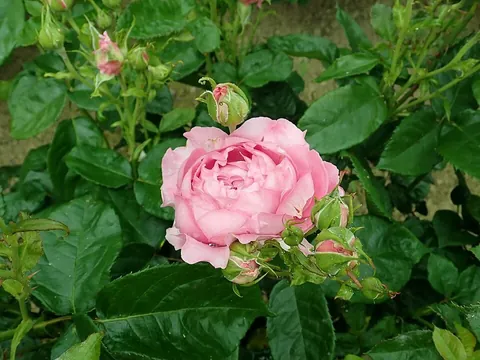
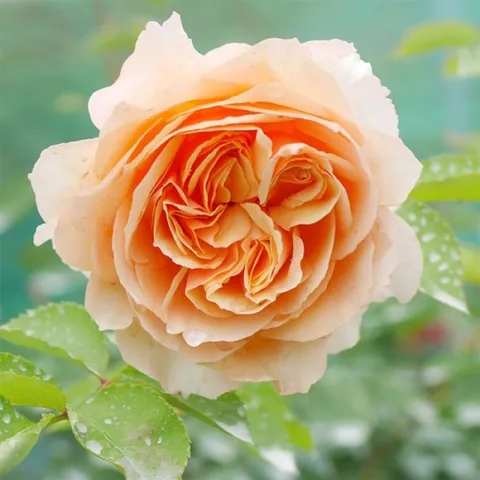
Cupped and quartered, with delicate 'boxed' petals: the characteristic Generosa-form; about 9 cm across
Centre
Dense apricot-pink centre
Fullness
17–25 petals
Flower carriage
In small clusters

Fragrance

Strong

Strong: 'très parfumé ++' according to Guillot; notes of rose, flowering branches and sweet stone fruit (the typical 'Massad-note').

Disease resistance

4 out of 5

Good: typical Generosa-quality.

Sun

Full sun to show the warm tone

Thorns

Moderate
thornlessfewmoderatemanyvery many

Average number, typical for French shrubs.

Foliage

Dark green, healthy.

Other names

Institut Lumière, Generosa Institut Lumière
All characteristics in a table
Group
Shrub rose
Breeder
Dominique Massad; Roseraie Guillot, France, 2003
Bud shape
Round-oval, warm pink-orange
Open flower
Cupped and quartered, with delicate 'boxed' petals: the characteristic Generosa-form; about 9 cm across
Centre
Dense apricot-pink centre
Colour
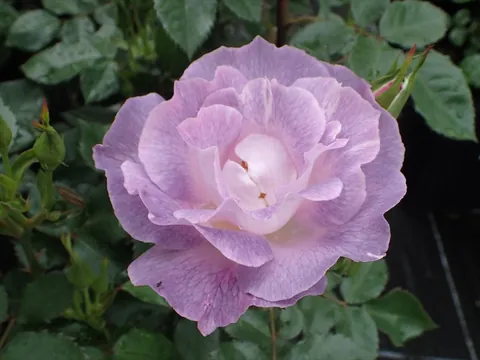
A warm pink-orange blend: Guillot officially describes it as 'rose orangé', HMF as 'orange blend'. Both descriptions convey the same soft apricot-coral tone typical of the Generosa series
Fullness
17–25 petals
Flower carriage
In small clusters
Flowering
Repeat-flowering
Fragrance
Strong: 'très parfumé ++' according to Guillot; notes of rose, flowering branches and sweet stone fruit (the typical 'Massad-note')
Hips
Not documented
Habit
Upright shrub: the typical Generosa habit
Branching
Good
Shoots
Sturdy, straight, holding the double flowers well
Thorns
Average number, typical for French shrubs.
Dimensions
100–110 cm tall × 40–50 cm wide
Support
No support needed
Foliage
Dark green, healthy
Resistance
Good: typical Generosa-quality
Variations of the variety
MASinlum code; synonyms Institut Lumière®, Generosa Institut Lumière; parentage not published (standard Massad/Guillot practice)

Colour scheme

A warm pink-orange blend: Guillot officially describes it as 'rose orangé', HMF as 'orange blend'. Both descriptions convey the same soft apricot-coral tone typical of the Generosa series

Rose neighbours

Perennials to plant nearby

Rose neighbours (Massad/Generosa family)

The French Generosa family — warm, nostalgic varieties:

Companion perennials

Violet-silver accents for the warm orange:

lavender 'Munstead'catmint 'Walker's Low'Byzantine stachyssoft lady's mantle

Availability worldwide

A French Generosa variety — mainly in Europe:

🇪🇺 Europe: high · Roseraie Guillot🇺🇸 USA: low🇯🇵 Asia: moderate · popular in Japan🇺🇦 Ukraine: low-moderate · collector's variety

More about the variety

Hips
Not documented
Variations of the variety
MASinlum code; synonyms Institut Lumière®, Generosa Institut Lumière; parentage not published (standard Massad/Guillot practice)

How to grow

Where to plant. French 'château' gardens, formal groups of 3–5 bushes, themed 'cinematic' borders with other varieties named after artists and thinkers (Goethe, Constance Spry); lovely paired with purple perennials; its strong scent makes it suitable for paths and seating areas.

Climate. Down to −23 °C. In Ukraine, moderate winter protection in northern regions; in the south, no protection needed.

Care. As a classic Massad shrub, prune in spring; good air circulation; the typical Generosa-quality allows minimal chemical use.

About the name

Name. The variety is dedicated to the Institut Lumière, the national film institute in Lyon, founded in 1982 in the villa and former factory of the brothers Auguste (1862–1954) and Louis (1864–1948) Lumière, the inventors of cinema. On 28 December 1895, at the Grand Café in Paris, the Lumière brothers held the first public film screening in history: the birth date of cinema. Today the Institut Lumière is a film museum, cinema, festival and archive. The variety was created as a tribute to French culture and the birthplace of cinema.

Breeding. CORRECTION: the diary had the hypothesis 'Meilland'; the variety was actually bred by Dominique Massad for Roseraie Guillot (Lyon, France), 2003. Code MASinlum. It belongs to the Generosa® series, Guillot's signature line since the late 1990s (nostalgic 'old-fashioned' shrubs with modern disease resistance). Massad has been the main breeder of Generosa since the late 1990s, mostly producing nostalgic quartered shrubs with a strong fruity-rose scent.

Significance. The 6th Massad variety in our catalogue, alongside Émilien Guillot (2001), Chantal Mérieux (1999), Belle de Segosa (2013), André Turcat (2007) and Froufroutante Jackie (2007). The French Generosa-family is a separate thematic group in the catalogue, representing the 'nostalgic French style'. Institut Lumière plus the other Massad-bred varieties could form a separate page: 'Massad: 6 French shrubs'.

Frequently asked questions about Institut Lumière

Does Institut Lumière need winter protection?

The cultivar’s reference temperature is −23 °C (USDA zone 6b–9b). Overwintering depends on the conditions. In Ukraine with moderate winter protection.

How many times a season does Institut Lumière flower?

Repeat-flowering.

How big does Institut Lumière grow?

100–110 cm tall, 40–50 cm wide.

Which diseases affect Institut Lumière?

Overall resistance: 4 out of 5. Good; typical Generosa-quality from Massad.

How much sun does Institut Lumière need?

Sun; full sun to show the warm tone.

What does Institut Lumière smell like?

Strong: 'très parfumé ++' according to Guillot; notes of rose, flowering branches and sweet stone fruit (the typical 'Massad-note').

Gardeners' photos and reviews

My climate

Choose a reference temperature to compare with the cultivar’s data. This is not an overwintering forecast or advice on winter protection; consider wind, moisture and the duration of frost.

Regional data are generalised. USDA describes average annual extreme minima, not a forecast; the values in the list are rounded. Check the conditions at your site. More information: Roses in Ukraine's climate.