


Back to catalogue
Hybrid Tea; classic of the 1960sHerbert C. Swim & O. L. WeeksPink

Royal Highness

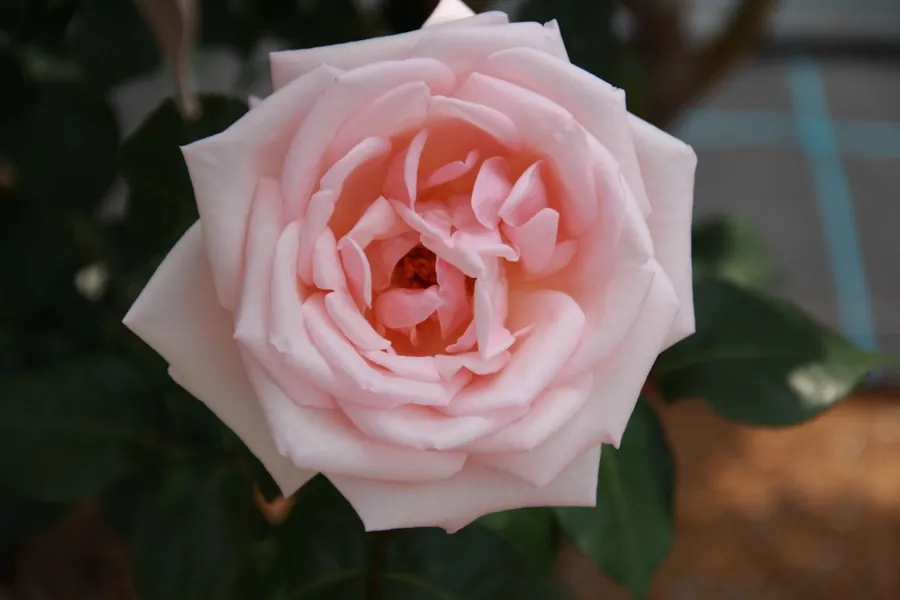
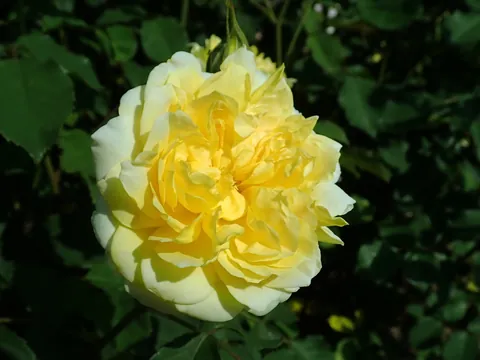
Pearl-pink HT with a strong sweet fragrance; AARS 1963 + Portland Gold 1960 + ARS Gold 1964; parentage Virgo × Peace — the best genes of the classics; replaced the phantom raidze-mistik in the catalogue.

AARS 1963 + ARS Gold + Portland Gold · parentage Virgo × Peace

Variety profile

Flowering

Repeat flowering

Repeat-flowering from June to October. Months are approximate, for the climate of Ukraine.

Legacy

AARS 1963

Portland Gold 1960 · ARS Gold 1964

Winter hardiness

−20 °C

USDA zone 6. Central/South with light cover.

Compare reference temperatures

Plant size

120–180 × 90 cm
person 170 cm120–180 cm
Habit
Upright, tall — a typical 1960s HT
Dimensions
120–180 cm tall × 90 cm wide — a tall classic HT
Support
Not needed — self-supporting
Shoots
Sturdy, straight — good for cutting on long stems
Branching
Well branched with sturdy stems

Flower

10-12 cm
Bud shape
Elongated, elegant, tender pink
Open flower
Benchmark high-centred goblet HT form: 10–12 cm, 40–45 petals, slow to open
Centre
Tightly packed, with a pointed centre
Fullness
40–45 petals (full)
Flower carriage
Mostly singly on long stems — a benchmark HT for cutting

Fragrance

Strong; sweet tea scent

Strong sweet tea — typical of the Peace parentage.

Disease resistance

3 out of 5

Moderate, 3/5 — typical of 1960s HTs; in Ukraine Central/South with light cover.

Sun

Full sun

The colour is brighter in cool weather.

Thorns

Moderate
thornlessfewmoderatemanyvery many

Moderate number of thorns — typical of 1960s HTs.

Foliage

Dark green, semi-glossy — a good contrast to the pastel flowers.

All characteristics in a table
Group
Hybrid Tea; classic of the 1960s
Breeder
Herbert C. Swim & O. L. Weeks, USA
Bud shape
Elongated, elegant, tender pink
Open flower
Benchmark high-centred goblet HT form: 10–12 cm, 40–45 petals, slow to open
Centre
Tightly packed, with a pointed centre
Colour
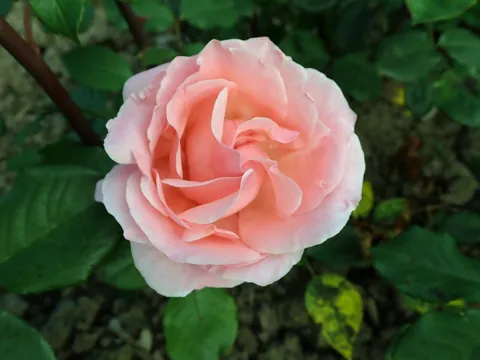
Tender pearl-pink with lighter tints; stable in sun. One of the most delicate HTs of its time
Fullness
40–45 petals (full)
Flower carriage
Mostly singly on long stems — a benchmark HT for cutting
Flowering
Repeat-flowering from June to October
Fragrance
Strong sweet tea — typical of the Peace parentage
Hips
Not documented — cut for repeat flowering
Habit
Upright, tall — a typical 1960s HT
Branching
Well branched with sturdy stems
Shoots
Sturdy, straight — good for cutting on long stems
Thorns
Moderate number of thorns — typical of 1960s HTs.
Dimensions
120–180 cm tall × 90 cm wide — a tall classic HT
Support
Not needed — self-supporting
Foliage
Dark green, semi-glossy — a good contrast to the pastel flowers
Resistance
Moderate, 3/5 — typical of 1960s HTs; in Ukraine Central/South with light cover
Variations of the variety
No official code (bred before the code system). Introduced 1962. Parentage: 'Virgo' × 'Peace' — a combination of two white/yellow-pink classics of the twentieth century. The catalogue entry replaced the phantom raidze-mistik

Colour scheme

Tender pearl-pink with lighter tints; stable in sun. One of the most delicate HTs of its time

Rose neighbours

Perennials to plant nearby

Neighbouring roses

Twentieth-century classics form a 'golden collection':

Perennial companions

A classic companion palette for Hybrid Teas:

lavenderStachys (lamb's ears)gypsophilacatmint

Availability worldwide

A 1960s classic, available from specialist nurseries:

🇺🇸 USA: high · AARS classic🇪🇺 Europe: high🇺🇦 Ukraine: moderate · 'retro' segment🌍 Worldwide: 1960s Hybrid Tea 'golden classic'

More about the variety

Hips
Not documented — cut for repeat flowering
Variations of the variety
No official code (bred before the code system). Introduced 1962. Parentage: 'Virgo' × 'Peace' — a combination of two white/yellow-pink classics of the twentieth century. The catalogue entry replaced the phantom raidze-mistik

How to grow

Where to plant. In classic HT borders; as a landmark of the 1960s; as the benchmark cutting rose for classic bouquets; beside paths and benches to enjoy its sweet tea scent.

Climate. Central/South Ukraine with light winter cover (USDA 6); copes well with summer heat.

Care. Full sun, a well-ventilated spot; moderate disease prevention; feed 3× per season; prune ⅓ in spring; for cutting — the benchmark long-stemmed HT.

About the name

Name. “Royal Highness” — the British official title “Her/His Royal Highness”. A marketing name that conveys the elegance and nobility of the tender pearl-pink colour and the benchmark goblet-shaped form. A poetic American tradition of the 1960s was to name HT varieties after royal titles and distinguished persons.

Breeding. Bred by Herbert C. Swim and O. L. Weeks in the USA. Introduced 1962. Parentage: 'Virgo' (HT, Mallerin 1947) × 'Peace' (HT, Meilland 1942/1945) — a combination of the two most important HT XX-century roses. From Peace it inherited the fragrance and the delicate palette; from Virgo, the white base of the colour. The catalogue entry replaced the phantom raidze-mistik.

Significance. AARS 1963 (All-America Rose Selections), a prestigious American award. Portland Gold Medal 1960 (received before official release — typical of top varieties) + ARS Gold Medal 1964. Peace parentage — inherited the best genes of the most important rose of the twentieth century. The benchmark goblet-shaped HT form — the model for all later soft-pink HTs (Pristine, Tiffany). A strong sweet tea fragrance — rare among modern HTs (most have none). A flawless classic, well documented.

Frequently asked questions about Royal Highness

Does Royal Highness need winter protection?

The cultivar’s reference temperature is −20 °C (USDA zone 6). Overwintering depends on the conditions. Central/South with light cover.

How many times a season does Royal Highness flower?

Repeat-flowering from June to October.

How big does Royal Highness grow?

120–180 cm tall, about 90 cm wide.

Which diseases affect Royal Highness?

Overall resistance: 3 out of 5. Moderate; typical of 1960s HTs.

How much sun does Royal Highness need?

Sun; full sun; the colour is brighter in cool weather.

What does Royal Highness smell like?

Strong sweet tea — typical of the Peace parentage.

Gardeners' photos and reviews

My climate

Choose a reference temperature to compare with the cultivar’s data. This is not an overwintering forecast or advice on winter protection; consider wind, moisture and the duration of frost.

Regional data are generalised. USDA describes average annual extreme minima, not a forecast; the values in the list are rounded. Check the conditions at your site. More information: Roses in Ukraine's climate.