



Back to catalogue
Hybrid Tea; record-holder of ARS Queen of Show — benchmark exhibition HTMichel Kriloff; Armstrong Roses, 1984Apricot and orange

Touch of Class

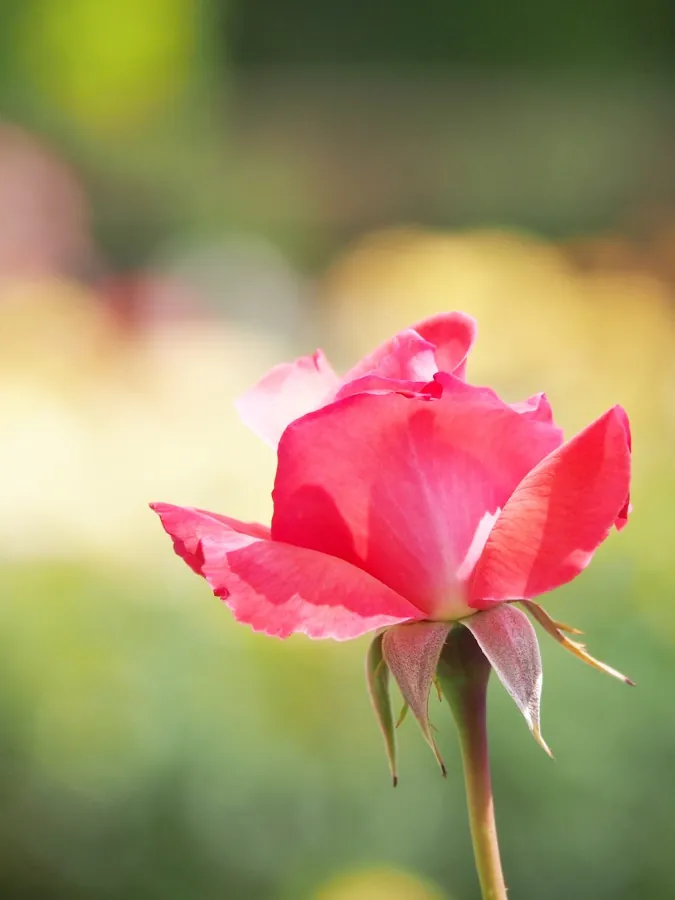
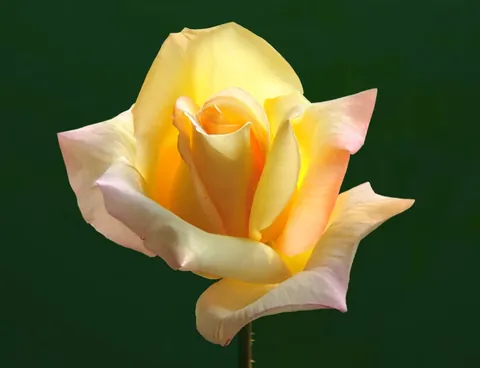
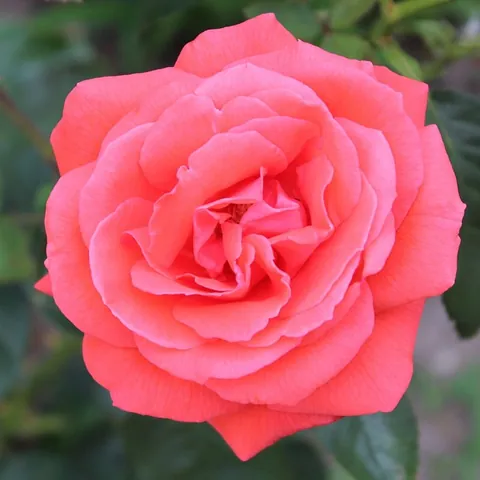
Coral pink with a peachy-cream reverse — a warm transitional palette; ARS NATIONAL record-holder for the number of Queen of Show wins in the HT category in 1995–2005 — a “benchmark” variety for ARS judges, a training specimen of what a perfect exhibition rose is; AARS 1986 + Portland Gold 1988; exhibition form at the expense of fragrance.

AARS 1986 + Portland Gold Medal 1988 · dozens of ARS Queen, King and Princess of Show titles

Variety profile

Flowering

Repeat flowering

Generous repeat flowering from June to October. Months are approximate, for the climate of Ukraine.

Legacy

ARS benchmark

AARS + Portland Gold

Winter hardiness

−18 °C

USDA zone 7b+. Southern Ukraine without winter protection.

Compare reference temperatures

Plant size

150–185 × 60 cm
person 170 cm150–185 cm
Habit
Tall, upright and narrow — an “exhibition column”
Dimensions
150–185 cm tall × 60 cm wide — tall and narrow, for cutting and shows
Support
Not needed — the upright canes hold themselves
Shoots
Long and straight — ideal for shows (one shoot = one perfect flower)
Branching
Moderately branched, with long straight canes

Flower

≈ 15 cm

25-35 petals.

Bud shape
Flawless long and pointed — the reference form for HT
Open flower
Flawless exhibition HT form (high-centred): ~15 cm, 25–35 petals. An ARS training specimen for judges
Centre
Densely closed, ideal goblet-shaped centre
Fullness
25–35 petals (medium-full)
Flower carriage
Singly on a long stem — ideal for shows and cutting

Fragrance

Light

Light — this is the variety's weak point. A classic case of “exhibition form at the expense of fragrance”.

Disease resistance

3 out of 5
Black spotmoderate

Medium 3/5 — needs prevention against blackspot. USDA 7b+ — Southern Ukraine without winter protection; Central and Northern regions with mandatory winter protection.

Sun

Full sun

Thorns

Moderate
thornlessfewmoderatemanyvery many

Average number of thorns — typical for HT.

Foliage

Dark green, semi-matt.

All characteristics in a table
Group
Hybrid Tea; record-holder of ARS Queen of Show — benchmark exhibition HT
Breeder
Michel Kriloff; Armstrong Roses, France, 1984
Bud shape
Flawless long and pointed — the reference form for HT
Open flower
Flawless exhibition HT form (high-centred): ~15 cm, 25–35 petals. An ARS training specimen for judges
Centre
Densely closed, ideal goblet-shaped centre
Colour
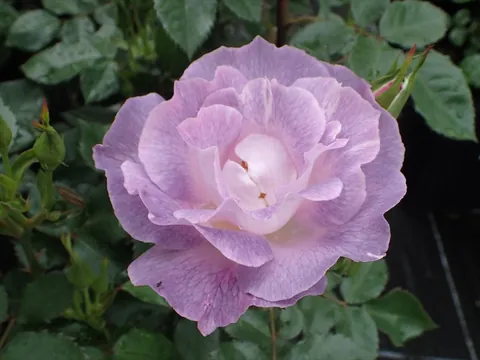
Coral pink (orange-pink) with a peachy-cream reverse — a warm transitional palette. The colour “plays” as it opens: the bud is darker, the centre lighter
Fullness
25–35 petals (medium-full)
Flower carriage
Singly on a long stem — ideal for shows and cutting
Flowering
Generous repeat flowering from June to October
Fragrance
Light — this is the variety's weak point. A classic case of “exhibition form at the expense of fragrance”
Hips
Not documented — typically cut
Habit
Tall, upright and narrow — an “exhibition column”
Branching
Moderately branched, with long straight canes
Shoots
Long and straight — ideal for shows (one shoot = one perfect flower)
Thorns
Average number of thorns — typical for HT.
Dimensions
150–185 cm tall × 60 cm wide — tall and narrow, for cutting and shows
Support
Not needed — the upright canes hold themselves
Foliage
Dark green, semi-matt
Resistance
Medium 3/5 — needs prevention against blackspot. USDA 7b+ — Southern Ukraine without winter protection; Central and Northern regions with mandatory winter protection
Variations of the variety
Code KRIcarlo (official registration; the spelling “KRIcaro” on some sites is a simplification). Introduced 1984 through Armstrong Roses (USA). Breeder: Michel Kriloff (France). Parentage: 'Micaëla' × ('Queen Elizabeth' × 'Romantica') — both parents are well-known HTs

Colour scheme

Coral pink (orange-pink) with a peachy-cream reverse — a warm transitional palette. The colour “plays” as it opens: the bud is darker, the centre lighter

Rose neighbours

Perennials to plant nearby

Neighbouring roses

Show-quality HTs for a perfectionist's collection:

Perennial companions

Cool purple-silver tones highlight the coral:

lavenderStachyslady's mantle (Alchemilla)catmint (Nepeta)

Availability worldwide

⭐ An American show classic since 1984:

🇺🇸 USA: very high · ARS benchmark🇫🇷 France: moderate · home of Kriloff🇪🇺 Europe: moderate🇺🇦 Ukraine: rare · via collectors

More about the variety

Hips
Not documented — typically cut
Variations of the variety
Code KRIcarlo (official registration; the spelling “KRIcaro” on some sites is a simplification). Introduced 1984 through Armstrong Roses (USA). Breeder: Michel Kriloff (France). Parentage: 'Micaëla' × ('Queen Elizabeth' × 'Romantica') — both parents are well-known HTs

How to grow

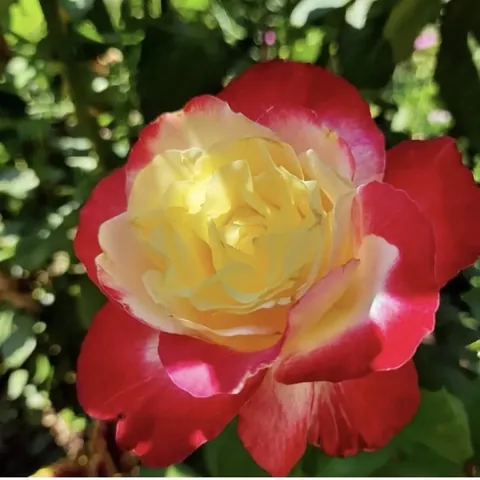
Where to plant. For cutting in a special bed (one shoot = one perfect flower); as a showpiece column in a flower bed; in a perfectionist's collection alongside Peace, Tropicana and Double Delight; not for mass planting — it needs individual care.

Climate. USDA 7b+ — Southern Ukraine without winter protection; Central and Northern regions need mandatory winter protection; tolerates summer heat well.

Care. Full sun; prevention of blackspot; feed 3× per season; prune ⅓ in spring; water at the root, not on the leaves; deadhead for the quality of the second flush.

About the name

Name. “Touch of Class” — the English idiom for “a touch of elegance, style”. Chosen by Armstrong Roses for the American market, emphasising the aristocratic perfection of the form. Typical of 1980s marketing: a short English idiom for recognisability and an elegant image. Breeder: bred by Michel Kriloff (France) by 1982, introduced in 1984 in the USA through Armstrong Roses. Code KRIcarlo. Parentage: 'Micaëla' × ('Queen Elizabeth' × 'Romantica') — both parents are HTs with a strong form (Queen Elizabeth in particular — WFRS HoF 1979).

Significance. ARS National record-holder for the number of Queen of Show wins in the HT category in 1995–2005. The variety is so ideal in classic HT form that ARS placed it among the “benchmarks” for judges — a training specimen of what a perfect exhibition rose is. This is the highest status an HT can receive. AARS 1986 (All-America Rose Selections). Portland Gold Medal 1988. Dozens of Queen, King and Princess of Show titles at ARS shows from 1988 to 2022 — the most titled exhibition HT of the late twentieth century. A flawless flower form — the reference for high-centred. In Ukraine it is almost unknown to the average gardener, but popular with collectors. Exhibition form at the expense of fragrance is a classic compromise of perfectionism.

Frequently asked questions about Touch of Class

Does Touch of Class need winter protection?

The cultivar’s reference temperature is −18 °C (USDA zone 7b+). Overwintering depends on the conditions. Southern Ukraine without winter protection.

How many times a season does Touch of Class flower?

Generous repeat flowering from June to October.

How big does Touch of Class grow?

150–185 cm tall, about 60 cm wide.

Which diseases affect Touch of Class?

Overall resistance: 3 out of 5. Medium; prevention of blackspot is needed.

How much sun does Touch of Class need?

Sun; full sun.

What does Touch of Class smell like?

Light — this is the variety's weak point. A classic case of “exhibition form at the expense of fragrance”.

Gardeners' photos and reviews

My climate

Choose a reference temperature to compare with the cultivar’s data. This is not an overwintering forecast or advice on winter protection; consider wind, moisture and the duration of frost.

Regional data are generalised. USDA describes average annual extreme minima, not a forecast; the values in the list are rounded. Check the conditions at your site. More information: Roses in Ukraine's climate.