





Back to catalogue
Miniature; caramel-orange Irish miniatureSean McCannApricot and orange

Toffee

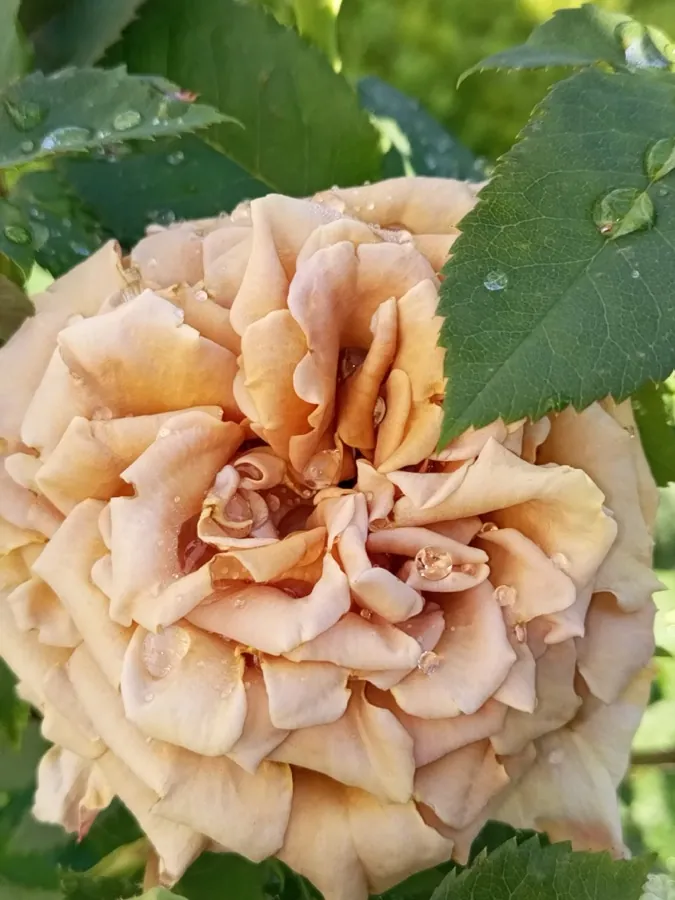
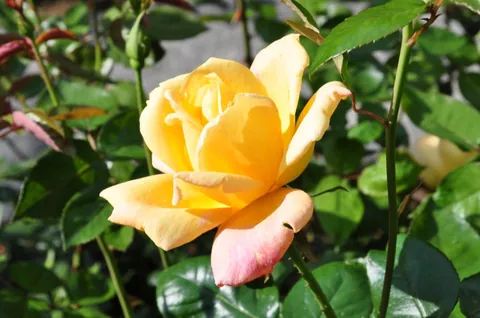
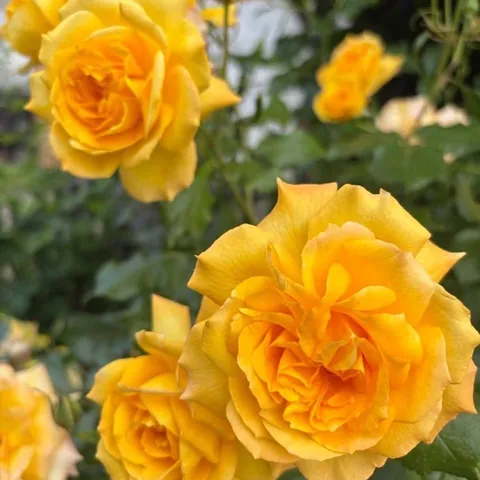
Orange with a yellow undertone and a caramel patch on the petals — hence the name “toffee”; bred by Sean McCann, an Irish retired journalist who became one of Europe's best-known miniature rose breeders; compact, 65 cm — for containers, borders and balconies.

Bred by an Irish retired journalist who became one of Europe's best-known miniature breeders

Variety profile

Flowering

Repeat flowering

Generous repeat flowering from June to October. Months are approximate, for the climate of Ukraine.

Legacy

McCann 1992

Irish miniature school

Winter hardiness

−23 °C

USDA zone 6b-9b. Central / Southern Ukraine.

Compare reference temperatures

Plant size

65 × 50 cm
person 170 cm65 cm
Habit
Compact, bushy miniature
Dimensions
~65 cm tall × ~50 cm wide — compact, for containers, balcony arrangements and small beds
Support
Not needed — self-supporting
Shoots
Fine, like those of miniatures
Branching
Densely branched

Flower

≈ 2.5 cm

Up to 18 petals.

Bud shape
Small round orange
Open flower
Semi-double: ~2.5 cm (1″), up to 18 petals (semi-double/double)
Centre
Stamens visible when open
Fullness
Up to 18 petals (semi-double/double)
Flower carriage
In small clusters

Fragrance

Weak; fruity

Weak, fruity — typical of miniatures.

Disease resistance

4 out of 5

Good 4/5 — the breeder states “good disease resistance”. USDA 6b-9b — Central / Southern Ukraine without winter protection.

Sun

Full sun

Thorns

Few
thornlessfewmoderatemanyvery many

Few thorns — typical for miniatures.

Foliage

Dark green, small.

All characteristics in a table
Group
Miniature; caramel-orange Irish miniature
Breeder
Sean McCann, Ireland
Bud shape
Small round orange
Open flower
Semi-double: ~2.5 cm (1″), up to 18 petals (semi-double/double)
Centre
Stamens visible when open
Colour
Orange with a yellow undertone and a distinctive caramel patch on the petals — hence the name “toffee”
Fullness
Up to 18 petals (semi-double/double)
Flower carriage
In small clusters
Flowering
Generous repeat flowering from June to October
Fragrance
Weak, fruity — typical of miniatures
Hips
Not documented
Habit
Compact, bushy miniature
Branching
Densely branched
Shoots
Fine, like those of miniatures
Thorns
Few thorns — typical for miniatures.
Dimensions
~65 cm tall × ~50 cm wide — compact, for containers, balcony arrangements and small beds
Support
Not needed — self-supporting
Foliage
Dark green, small
Resistance
Good 4/5 — the breeder states “good disease resistance”. USDA 6b-9b — Central / Southern Ukraine without winter protection
Variations of the variety
Code SEAtoff. Bred 1992, introduced in the USA in 1993. Breeder: Sean McCann (Ireland). Parentage: 'Bloomsday' × unnamed seedling. Not to be confused with the commercial “Toffee” from Brown Breeding (Ecuador, 2018), which is a different greenhouse cut-flower variety not listed in HMF as a cultivar

Colour scheme

Orange with a yellow undertone and a distinctive caramel patch on the petals — hence the name “toffee”

Rose neighbours

Perennials to plant nearby

Neighbouring roses

Warm golden-orange varieties:

Perennial companions

A sunny palette with purple-silver accents:

lavenderStachyslady's mantle (Alchemilla)sedum (stonecrop)

Availability worldwide

An Irish miniature from the 90s:

🇮🇪 Ireland: high · home of McCann🇬🇧 UK: moderate🇺🇸 USA: moderate🇺🇦 Ukraine: rare · via collector nurseries

More about the variety

Hips
Not documented
Variations of the variety
Code SEAtoff. Bred 1992, introduced in the USA in 1993. Breeder: Sean McCann (Ireland). Parentage: 'Bloomsday' × unnamed seedling. Not to be confused with the commercial “Toffee” from Brown Breeding (Ecuador, 2018), which is a different greenhouse cut-flower variety not listed in HMF as a cultivar

How to grow

Where to plant. In containers on a terrace or balcony thanks to its compact size; in small borders; as the front of a mixed border with warm neighbours; in mini gardens with other miniatures.

Climate. Central / Southern Ukraine without winter protection (USDA 6b-9b); tolerates summer heat well.

Care. Full sun; moderate prevention; feed 2× per season; prune ⅓ in spring.

About the name

Name. “Toffee” = “hard caramel” (English). For the characteristic caramel patch on the petals — a warm golden-orange tone, like the colour of a real Anglo-Irish toffee. A poetic, “tasty” name typical of the McCann-style naming (Sean often gave miniatures culinary or aromatic names). Breeder: bred by Sean McCann (Ireland). Code SEAtoff. Bred 1992, introduced in the USA in 1993. Parentage: 'Bloomsday' × unnamed seedling. Sean McCann was an Irish retired journalist who began breeding after retiring and became one of the best-known miniature rose breeders in Europe in the 1980s–90s. A classic example of a “hobby breeder”, like Pemberton (an Anglican priest).

Significance. A classic Irish miniature of the 90s. A unique “caramel” palette — the combination of orange, yellow and a caramel patch. McCann's legacy: together with his other varieties (Beauty Secret, Magic Carrousel), Toffee represents the Irish school of miniature roses. Not to be confused with the commercial “Toffee” from Brown Breeding (Ecuador, 2018), which is a different greenhouse cut-flower variety. No major international awards — Toffee is valued primarily for its unique colour and Irish origin.

Frequently asked questions about Toffee

Does Toffee need winter protection?

The cultivar’s reference temperature is −23 °C (USDA zone 6b−9b). Overwintering depends on the conditions. Central / Southern Ukraine.

How many times a season does Toffee flower?

Generous repeat flowering from June to October.

How big does Toffee grow?

About 65 cm tall, about 50 cm wide.

Which diseases affect Toffee?

Overall resistance: 4 out of 5. Breeder: “good disease resistance”.

How much sun does Toffee need?

Sun; full sun.

What does Toffee smell like?

Weak, fruity — typical of miniatures.

Gardeners' photos and reviews

My climate

Choose a reference temperature to compare with the cultivar’s data. This is not an overwintering forecast or advice on winter protection; consider wind, moisture and the duration of frost.

Regional data are generalised. USDA describes average annual extreme minima, not a forecast; the values in the list are rounded. Check the conditions at your site. More information: Roses in Ukraine's climate.