


Back to catalogue
Large-flowered climberC. Gregory & Son, 1965Apricot and orange

Étude

Synonyms Étude; Etiud; one of the most popular 'grandmother's' climbers in Ukraine.

Large Flowered Climber · classic of the 1960s

Variety profile

Flowering

Repeat flowering

Repeat, June to frosts. Months are approximate, for the climate of Ukraine.

Awards

Gregory

Classic of 1965 · UK breeding

Winter hardiness

−24 °C

USDA zone 5. All of Ukraine with moderate protection.

Compare reference temperatures

Plant size

200–300 × 150 cm
person 170 cm200–300 cm
Habit
Climber — long flexible canes, forms well on a support
Dimensions
200–300 cm high × ~150 cm wide
Support
Needs support — arch, pergola, wall trellis, south-facing wall
Shoots
Long, strong, hold their clusters of flowers well
Branching
Good; over time forms a dense green wall

Flower

8–10 cm
Bud shape
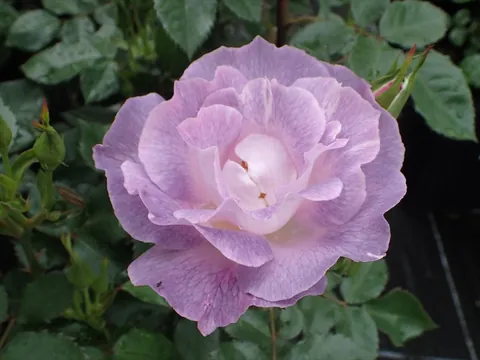
Round-conical, deep pink
Open flower
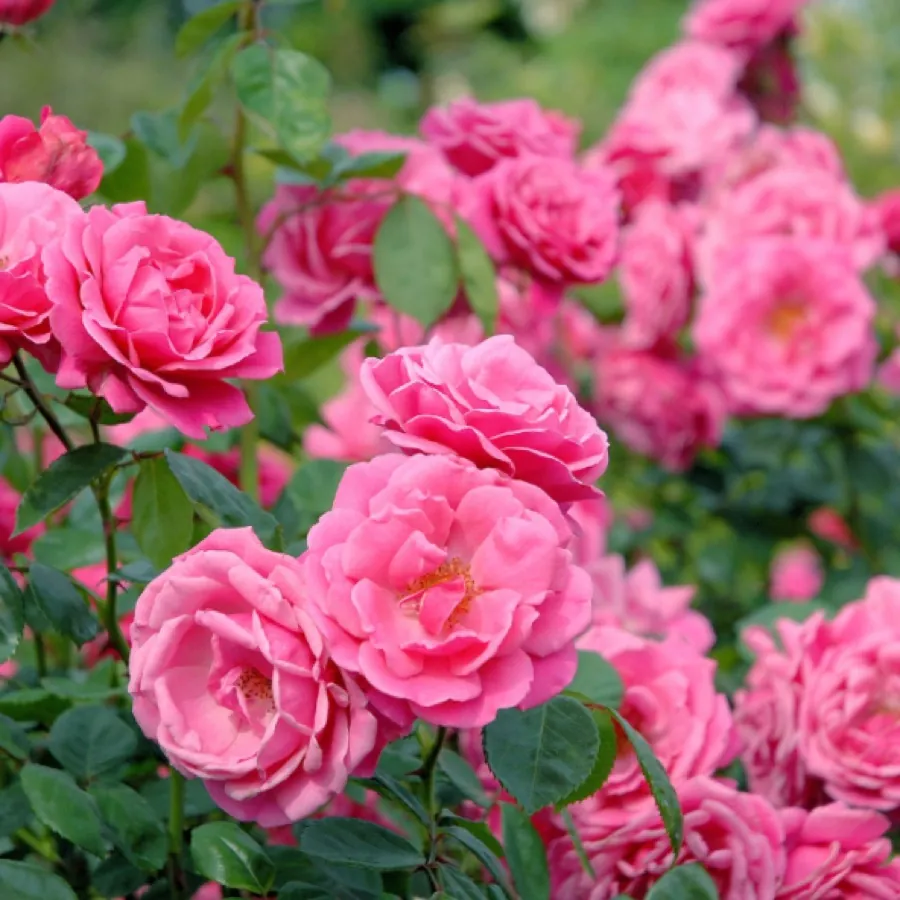
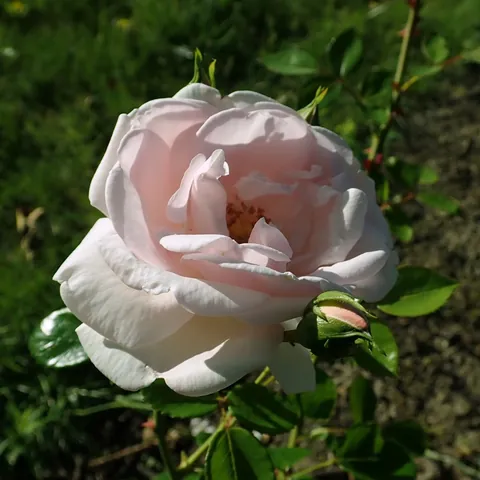
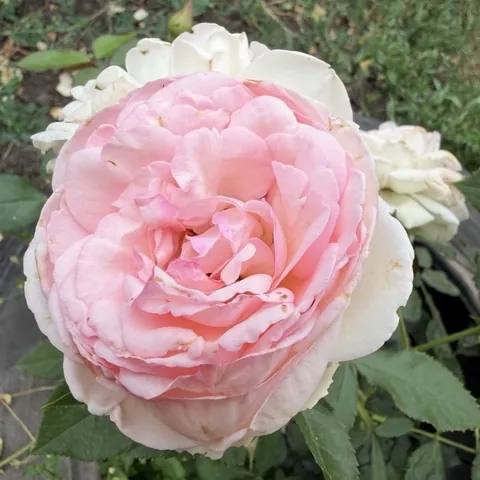
Double classic climber; diameter 8–10 cm
Centre
Peach-pink heart with more delicate inner petals
Fullness
Double, 30–35 petals
Flower carriage
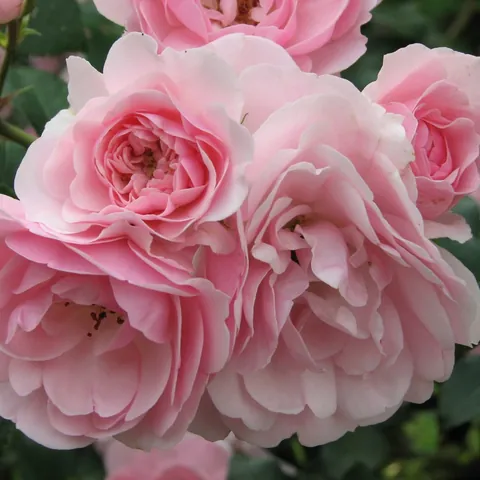
In clusters of 3–5 on each cane

Fragrance

Light

A conflict in the sources: André Eve describes it as 'without scent'; Parkside Nursery and PharmaRosa say 'moderate/strong'. The safest assumption is light and unobtrusive.

Disease resistance

4 out of 5

Good overall; in a humid climate — standard prevention of black spot.

Sun

Full sun

Tolerates light shade.

Thorns

Moderate
thornlessfewmoderatemanyvery many

Moderate number, typical of climbers from the 1960s.

Foliage

Dark green, leathery, healthy.

Other names

Étude, Этюд, Етюд
All characteristics in a table
Group
Large-flowered climber
Breeder
C. Gregory & Son, United Kingdom, 1965
Bud shape
Round-conical, deep pink
Open flower
Double classic climber; diameter 8–10 cm
Centre
Peach-pink heart with more delicate inner petals
Colour
Peach-pink inside – darker pink outside the petals; a good play of light and shade
Fullness
Double, 30–35 petals
Flower carriage
In clusters of 3–5 on each cane
Flowering
Repeat, June to frosts
Fragrance
A conflict in the sources: André Eve describes it as 'without scent'; Parkside Nursery and PharmaRosa say 'moderate/strong'. The safest assumption is light and unobtrusive
Hips
Not documented
Habit
Climber — long flexible canes, forms well on a support
Branching
Good; over time forms a dense green wall
Shoots
Long, strong, hold their clusters of flowers well
Thorns
Moderate number, typical of climbers from the 1960s.
Dimensions
200–300 cm high × ~150 cm wide
Support
Needs support — arch, pergola, wall trellis, south-facing wall
Foliage
Dark green, leathery, healthy
Resistance
Good overall; in a humid climate — standard prevention of black spot
Variations of the variety
Synonyms Étude (French); Etyud (Russian); Etiud (Ukrainian); no patent code (1965, before modern systems)

Colour scheme

Peach-pink inside – darker pink outside the petals; a good play of light and shade

Rose neighbours

Perennials to plant nearby

Rose neighbours

Classic palette of 1950s–70s climbers:

Companion perennials

Violet and silver accents for contrast with the peach-pink:

lavender 'Munstead'catmint 'Walker's Low'geranium 'Wargrave Pink'Stachys byzantina

Availability worldwide

A classic that has survived mainly thanks to gardeners in the post-Soviet area:

  • 🇪🇺 Europe: moderate · André Eve · Parkside · PharmaRosa
  • 🇺🇸 USA: very low · practically absent
  • 🇯🇵 Asia: low
  • 🇺🇦 Ukraine: HIGH · in all large nurseries as 'Etude'

More about the variety

Hips
Not documented
Variations of the variety
Synonyms Étude (French); Etyud (Russian); Etiud (Ukrainian); no patent code (1965, before modern systems)

How to grow

Where to plant. Arches, pergolas, wall trellises, south-facing house walls; as a nostalgic 'grandmother's' climber for the family garden; looks good paired with purple perennials at its base.

Climate. Down to −24 °C — all of Ukraine with moderate protection; southern Ukraine — often without protection.

Care. Formative pruning of climbers is minimal; it is important to train the main canes horizontally for abundant flowering along their whole length; standard prevention of black spot.

About the name

Name. 'Étude' — French for 'exercise, study'; a musical and artistic term for a short composition used to hone technique. In the context of a rose it refers to the refined, 'étude-like' beauty of the flower. The name fits the 'musical' tradition of British breeders of the 1960s.

Breeding. IMPORTANT CORRECTION: on the Ukrainian market 'Étude' is often sold without naming the breeder, and post-Soviet sources sometimes attribute the variety to V.M. Saakov (USSR). This is not confirmed: Saakov was a botanist at the Leningrad Botanic Garden, but 'Etude' does not appear in Soviet breeding catalogues. The most likely source is C. Gregory & Son, UK, registration in 1965 (confirmed by André Eve, Parkside Nursery and PharmaRosa). The Ukrainian material was most likely reproduced from a Western source. Parentage is not publicly documented.

Significance. One of the most common 'grandmother's' climbers in Ukraine. Sold in all the large nurseries (Svitroslyn, Agro-Market, Dekoplant) without a precise attribution. Remembered for its peach-pink gradient, abundant flowering and reliable hardiness, which made it a standard for arches and pergolas in post-Soviet gardens. In the West the variety remains a rare regional Franco-British curiosity.

Frequently asked questions about Étude

Does Étude need winter protection?

The cultivar’s reference temperature is −24 °C (USDA zone 5). Overwintering depends on the conditions. All of Ukraine with moderate protection.

How many times a season does Étude flower?

Repeat, June to frosts.

How big does Étude grow?

200–300 cm tall, about 150 cm wide.

Which diseases affect Étude?

Overall resistance: 4 out of 5. Good overall; no exact ADR or RHS ratings.

How much sun does Étude need?

Sun; full sun; tolerates light shade.

What does Étude smell like?

A conflict in the sources: André Eve describes it as 'without scent'; Parkside Nursery and PharmaRosa say 'moderate/strong'. The safest assumption is light and unobtrusive.

Gardeners' photos and reviews

My climate

Choose a reference temperature to compare with the cultivar’s data. This is not an overwintering forecast or advice on winter protection; consider wind, moisture and the duration of frost.

Regional data are generalised. USDA describes average annual extreme minima, not a forecast; the values in the list are rounded. Check the conditions at your site. More information: Roses in Ukraine's climate.