Back to catalogue
Shrub rose (bush); Poulsen, Renaissance seriesPoulsen, 1999Yellow

Sophia Renaissance

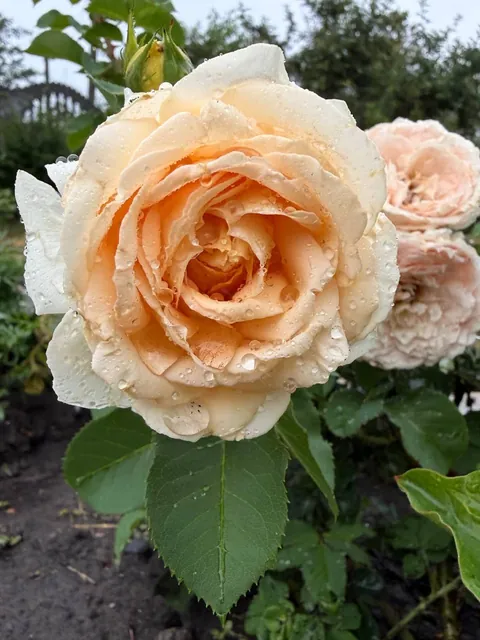
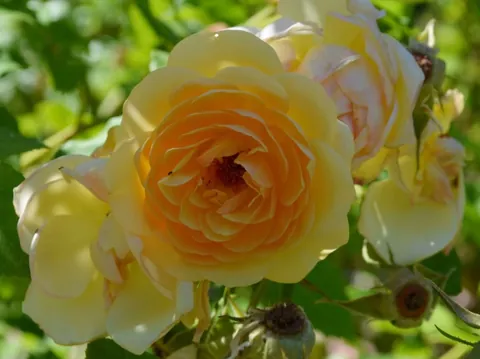
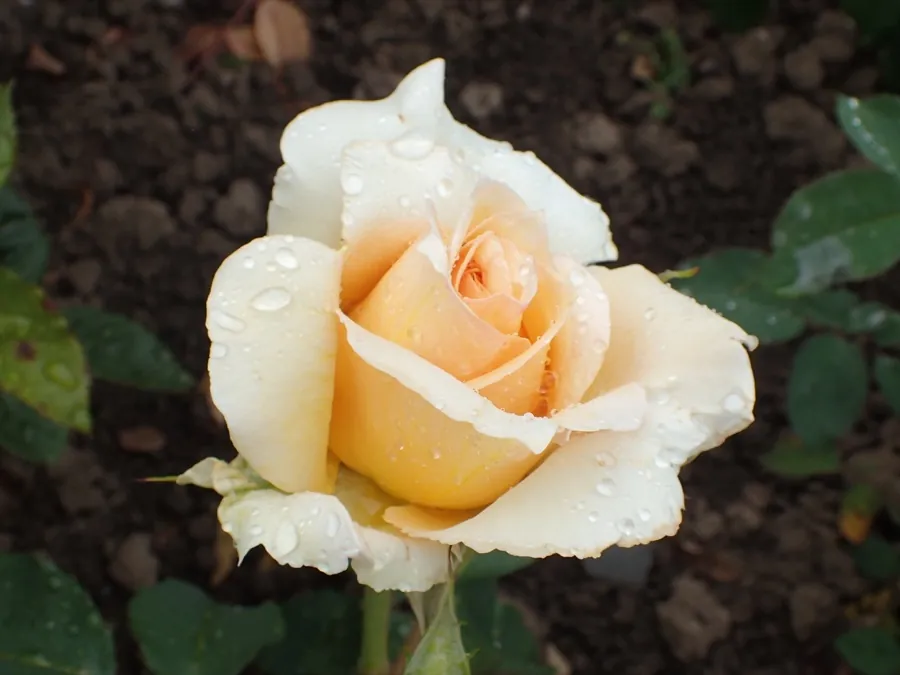
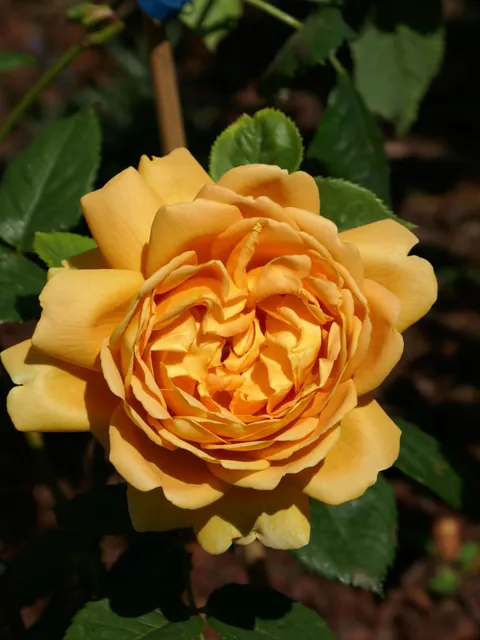
POULen002; golden-yellow apricot-tinged shrub rose from the Renaissance series.

Golden-yellow with apricot · large 'old-fashioned' flowers

Variety profile

Flowering

Repeat flowering in flushes all season

Feature

'Renaissance'

Danish Renaissance series — healthy bushes with large fragrant 'old-fashioned' flowers

Winter hardiness

−20 °C

Hardy · overwinters with light protection.

Compare reference temperatures

Plant size

100–200 cm
person 170 cm100–200 cm
Habit
Upright, vigorous
Dimensions
100–200 cm tall
Support
Not needed (in warm conditions it can be grown as a low climber)
Shoots
Sturdy
Branching
Good

Flower

≈ 10 cm

41+ petals.

Bud shape
Round, golden-apricot
Open flower
Large, cupped, quartered, old-fashioned type; ~10 cm
Centre
Dense, quartered
Fullness
Very double, 41+ petals
Flower carriage
Singly and in small clusters
Flower durability
Good; good for cutting

Fragrance

Moderate

Moderate, fruity-honey.

Disease resistance

4 out of 5

Good disease resistance.

Sun

Repeat flowering in flushes

Good for cutting.

Foliage

Dark green, healthy.

Other names

Solo Mio, Rita Barbera
All characteristics in a table
Group
Shrub rose (bush); Poulsen, Renaissance series
Breeder
Poulsen, Denmark, 1999
Bud shape
Round, golden-apricot
Open flower
Large, cupped, quartered, old-fashioned type; ~10 cm
Centre
Dense, quartered
Colour
Golden yellow with apricot undertones, fading to a light golden buff
Fullness
Very double, 41+ petals
Flower carriage
Singly and in small clusters
Flowering
Repeat flowering in flushes all season
Fragrance
Moderate, fruity-honey
Flower durability
Good; good for cutting
Habit
Upright, vigorous
Branching
Good
Shoots
Sturdy
Thorns
Moderate number of prickles.
Dimensions
100–200 cm tall
Support
Not needed (in warm conditions it can be grown as a low climber)
Foliage
Dark green, healthy
Resistance
Good disease resistance
Use
Specimen plant, border, cut flowers, 'old-fashioned' arrangements
Colour scheme

Golden yellow with apricot undertones, fading to a light golden buff

Rose neighbours

Perennials to plant nearby

Neighbouring roses

Golden-yellow roses from this section form a sunny group around Sophia Renaissance.

Perennial companions

Blue and purple perennials set off the warm gold:

catmint (Nepeta)salviaperovskiaStachys

Contrast accents

For contrast beside the golden-yellow one — blue and purple:

catmint (Nepeta)salviaperovskia

More about the variety

Use
Specimen plant, border, cut flowers, 'old-fashioned' arrangements
How to grow

Where to plant. As a specimen plant, in borders, for cutting; lovely in 'old-fashioned', romantic arrangements.

Climate. Hardy (H6, down to −20 °C) — in Ukraine it overwinters with light winter protection.

Care. An undemanding shrub: sun, feeding, and tidying prune in spring. The Renaissance series is healthy.

About the name

Name. 'Sophia' — a female given name; part of the Danish Renaissance® series.

Breeding. Poulsen Roser (Denmark); selected in 1989, introduced around 1999; code POULen002. Synonyms: 'Solo Mio', 'Rita Barbera'.

Significance. Part of the Renaissance® series — healthy shrub roses with large, fragrant 'old-fashioned' flowers; golden-apricot colour, good for cutting.

Frequently asked questions about Sophia Renaissance

Does Sophia Renaissance need winter protection?

The cultivar’s reference temperature is −20 °C. Overwintering depends on the conditions.

How many times a season does Sophia Renaissance flower?

Repeat flowering in flushes all season.

How big does Sophia Renaissance grow?

100–200 cm tall.

Which diseases affect Sophia Renaissance?

Overall resistance: 4 out of 5. Healthy dark green foliage (Renaissance series).

How much sun does Sophia Renaissance need?

Sun; repeat flowering in flushes; good for cutting.

What does Sophia Renaissance smell like?

Moderate, fruity-honey.

Gardeners' photos and reviews

My climate

Choose a reference temperature to compare with the cultivar’s data. This is not an overwintering forecast or advice on winter protection; consider wind, moisture and the duration of frost.

Regional data are generalised. USDA describes average annual extreme minima, not a forecast; the values in the list are rounded. Check the conditions at your site. More information: Roses in Ukraine's climate.