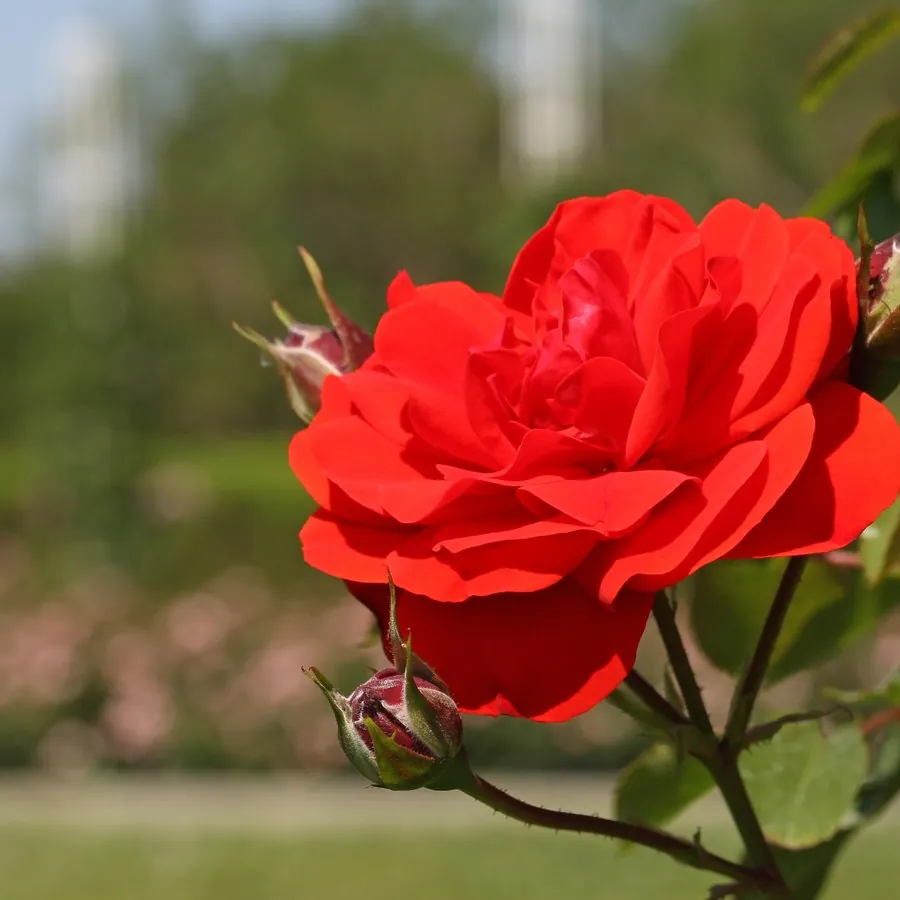
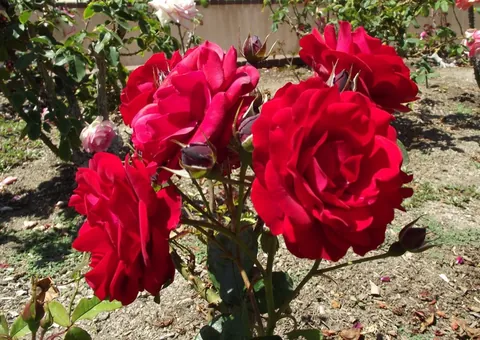
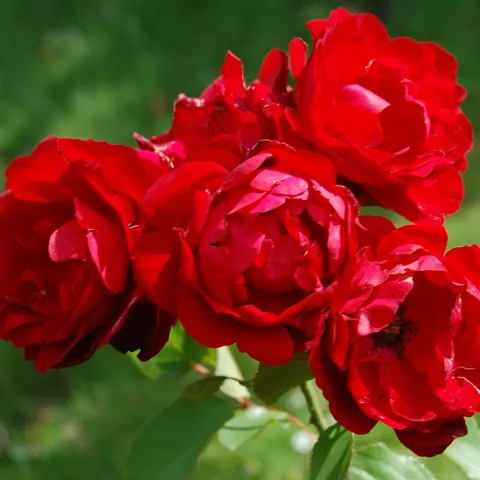
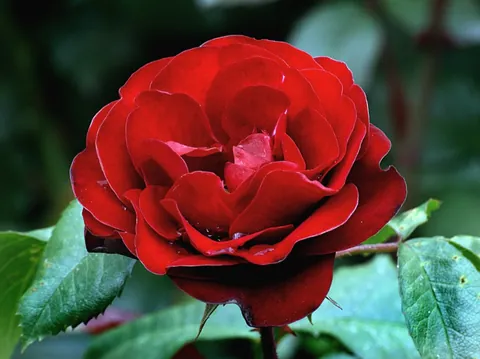
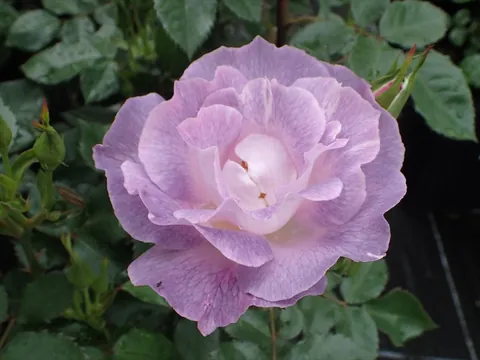



Trumpeter, close-up of the flower
Photo: Laitche, CC BY 3.0
Back to catalogue
FloribundaSam McGredy IVApricot and orange

Trumpeter

A bright orange-red floribunda by Sam McGredy IV; the colour is almost vermilion and does not fade; tolerant of heat and rain; the name continues the musical line of its parent, 'Satchmo'.

Bright orange-red low Floribunda

Variety profile

Flowering

Repeat flowering

Abundant and continuous all summer and autumn. Months are approximate, for the climate of Ukraine.

Awards

RHS AGM

Held before · not confirmed by the RHS 2024 trial (lost)

Plant size

60–90 × 50–60 cm
person 170 cm60–90 cm
Habit
Low, compact, dense, upright
Dimensions
60–90 × 50–60 cm; low and compact
Support
Needs no support; ideal for borders and containers
Shoots
Strong, straight; they carry small clusters of flowers
Branching
Dense from the base; the bush holds its shape well

Flower

6–7 cm
Bud shape
Bright orange-red, compact
Open flower
Cupped with wavy petals; about 35–45 petals, 6–7 cm across
Centre
Densely filled, in the same bright red tone
Fullness
Double, about 35–45 petals
Flower carriage
In small clusters; the typical floribunda form

Fragrance

Barely noticeable

Weak, delicate, barely noticeable; no specific notes are recorded in the sources. This is an ornamental variety, not grown for fragrance.

Disease resistance

4 out of 5

Two versions, stated honestly: historically the variety was considered very disease-resistant, BUT the RHS trial 2022–2024 recorded a decline in growth vigour and resistance, so the rating is moderate (3–4/5).

Sun

Full sun

Tolerant of heat and rain; the colour does not fade.

Thorns

Few
thornlessfewmoderatemanyvery many

Moderate number; typical for low floribundas.

Foliage

Dark green, healthy; an ornamental backdrop for the bright flowers.

All characteristics in a table
Group
Floribunda
Breeder
Sam McGredy IV, New Zealand
Bud shape
Bright orange-red, compact
Open flower
Cupped with wavy petals; about 35–45 petals, 6–7 cm across
Centre
Densely filled, in the same bright red tone
Colour
Bright orange-red (scarlet, almost vermilion); does not fade in the sun and keeps its intensity all season
Fullness
Double, about 35–45 petals
Flower carriage
In small clusters; the typical floribunda form
Flowering
Abundant and continuous all summer and autumn
Fragrance
Weak, delicate, barely noticeable; no specific notes are recorded in the sources. This is an ornamental variety, not grown for fragrance
Hips
Not documented
Habit
Low, compact, dense, upright
Branching
Dense from the base; the bush holds its shape well
Shoots
Strong, straight; they carry small clusters of flowers
Thorns
Moderate number; typical for low floribundas.
Dimensions
60–90 × 50–60 cm; low and compact
Support
Needs no support; ideal for borders and containers
Foliage
Dark green, healthy; an ornamental backdrop for the bright flowers
Resistance
Two versions, stated honestly: historically the variety was considered very disease-resistant, BUT the RHS trial 2022–2024 recorded a decline in growth vigour and resistance, so the rating is moderate (3–4/5)
Variations of the variety
Codes MACtru / MACtrum; parentage 'Satchmo' × 'Scarlet Dwarf'; bred by Sam McGredy IV (New Zealand), bred around 1970, introduced 1977

Colour scheme

Bright orange-red (scarlet, almost vermilion); does not fade in the sun and keeps its intensity all season

Rose neighbours

Perennials to plant nearby

Neighbouring roses

A family of bright red low Floribundas:

Companion perennials

Silvery blue-white ones for contrast with the fiery colour:

lamb's ear (Stachys byzantina)catmint (Nepeta)gypsophilaornamental grasses

Availability worldwide

A classic McGredy Floribunda, in cultivation since 1977:

🇳🇿 New Zealand: home of McGredy🇬🇧 UK: high · border classic🇪🇺 Europe: high🇺🇦 Ukraine: moderate · via European nurseries

More about the variety

Hips
Not documented
Variations of the variety
Codes MACtru / MACtrum; parentage 'Satchmo' × 'Scarlet Dwarf'; bred by Sam McGredy IV (New Zealand), bred around 1970, introduced 1977

How to grow

Where to plant. Borders, showy low groups, containers on terraces and by entrances. Thanks to its low, compact habit and because it needs no support, it is excellent at the front of a bed and in mass plantings of one colour.

Climate. USDA 6b hardiness, RHS H6 (about −20…−15 °C); in colder regions of Ukraine light winter protection is advisable.

Care. Flowers abundantly and continuously all summer and autumn; the colour does not fade, and the bush tolerates heat and rain. Given the RHS 2022–2024 trial data showing a decline in resistance, seasonal disease prevention is worth planning, despite the variety's historic reputation as 'very disease-resistant'.

About the name

Name. 'Trumpeter' is the English word for 'bugler' or 'trumpet player'. The name continues the musical line of the parent variety 'Satchmo', which was the nickname of the legendary jazz trumpeter Louis Armstrong. So 'Trumpeter' is a deliberate tribute to that theme: the offspring was named after the same musical role.

Breeding. Bred by Sam McGredy IV (New Zealand); bred around 1970, introduced in 1977. Codes MACtru / MACtrum. Parentage: 'Satchmo' × 'Scarlet Dwarf'.

Significance. One of the brightest low floribundas. The rich orange-red colour that does not fade in the sun, the compact dense bush and continuous flowering have made it a classic of borders and containers. Awards, stated honestly: the variety previously held the RHS Award of Garden Merit, but after the RHS trial of 2024 the award is no longer confirmed (the variety lost it). The same trial recorded a decline in growth vigour and disease resistance compared with its historic reputation.

Frequently asked questions about Trumpeter

How many times a season does Trumpeter flower?

Abundant and continuous all summer and autumn.

How big does Trumpeter grow?

60–90 cm tall, 50–60 cm wide.

Which diseases affect Trumpeter?

Overall resistance: 4 out of 5. 3–4 / 5; historically 'very disease-resistant'; the RHS trial 2022–2024 recorded a decline.

How much sun does Trumpeter need?

Sun; full sun; tolerant of heat and rain; the colour does not fade.

What does Trumpeter smell like?

Weak, delicate, barely noticeable; no specific notes are recorded in the sources. This is an ornamental variety, not grown for fragrance.

Gardeners' photos and reviews

My climate

Choose a reference temperature to compare with the cultivar’s data. This is not an overwintering forecast or advice on winter protection; consider wind, moisture and the duration of frost.

Regional data are generalised. USDA describes average annual extreme minima, not a forecast; the values in the list are rounded. Check the conditions at your site. More information: Roses in Ukraine's climate.