



Back to catalogue
Shrub (fragrant shrub rose)Delbard, 2004Pink

Dieter Müller

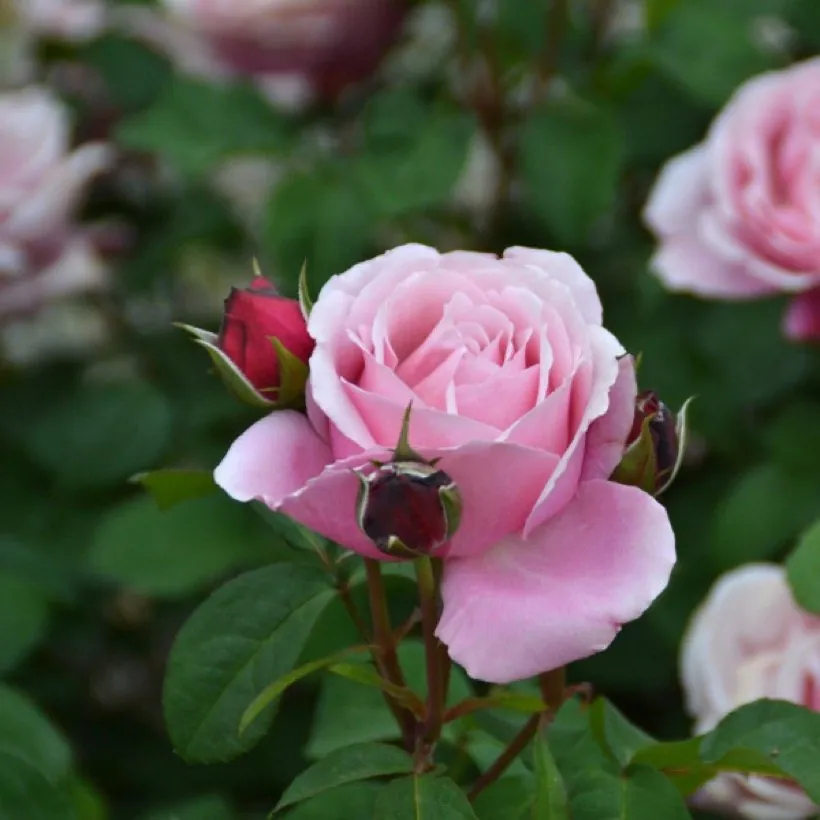
Pale pink with a lilac tint; full rosettes in clusters; strong aniseed scent; gold medal at Rome 2008; named after a celebrated chef.

= 'Sieur Emmanuel' · Delbard's fragrant rose line

Variety profile

Flowering

Repeat flowering

Repeat-flowering continuously, from May to the first frosts. Months are approximate, for the climate of Ukraine.

Awards

Rome 2008

Gold medal · Prix SNHF Paris 2008

Winter hardiness

−20 °C

USDA zone 6b–9. South and centre of Ukraine; in the north, with winter protection.

Compare reference temperatures

Plant size

80–100 × 60 cm
person 170 cm80–100 cm
Habit
Upright, naturally branching, bushy, well structured
Dimensions
80–100 cm tall × ~60 cm wide (taller in a warm climate)
Support
Not needed; a self-standing bush
Shoots
Sturdy, with a purplish tint
Branching
Good

Flower

40 petals
Bud shape
Cupped, dark purple-red
Open flower
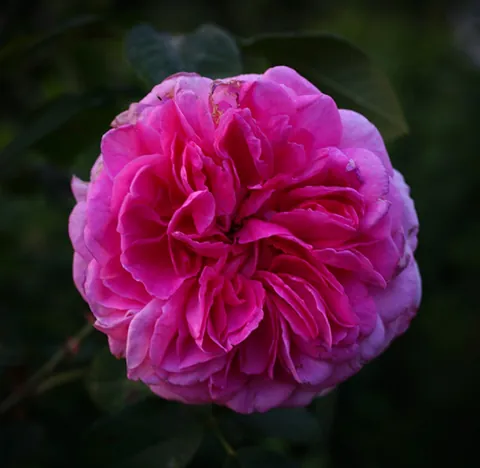
Large, full, cupped, peony-shaped rosette of an old-fashioned look
Centre
Full
Fullness
Very double (~40 petals)
Flower carriage
In clusters (several flowers per stem)

Fragrance

Strong; aniseed and herbal (aniseed, basil, fennel, lavender)

Strong; a characteristic aniseed-herb scent: aniseed, basil, fennel and lavender (aniseed dominates).

Disease resistance

4 out of 5
Black spotresistantPowdery mildewresistant

Very good: resistant to powdery mildew and black spot; the flowers are rain-resistant.

Sun

Full sun

The flowers hold up well in rain.

Thorns

Moderate
thornlessfewmoderatemanyvery many

Moderate prickliness.

Foliage

Healthy, medium dark green, leathery and glossy.

Other names

Breeder's code DELamo.

All characteristics in a table
Group
Shrub (fragrant shrub rose)
Breeder
Delbard, France, 2004
Bud shape
Cupped, dark purple-red
Open flower
Large, full, cupped, peony-shaped rosette of an old-fashioned look
Centre
Full
Colour
Pale pink with a lilac sheen; dark buds; as they fade they take on a silvery-lilac tone
Fullness
Very double (~40 petals)
Flower carriage
In clusters (several flowers per stem)
Flowering
Repeat-flowering continuously, from May to the first frosts
Fragrance
Strong; a characteristic aniseed-herb scent: aniseed, basil, fennel and lavender (aniseed dominates)
Hips
Unknown
Habit
Upright, naturally branching, bushy, well structured
Branching
Good
Shoots
Sturdy, with a purplish tint
Thorns
Moderate prickliness.
Dimensions
80–100 cm tall × ~60 cm wide (taller in a warm climate)
Support
Not needed; a self-standing bush
Foliage
Healthy, medium dark green, leathery and glossy
Resistance
Very good: resistant to powdery mildew and black spot; the flowers are rain-resistant
Variations of the variety
The same variety is sold as 'Sœur Emmanuelle' (France) and under other names; Delbard registers it as a Floribunda, but by habit it is a fragrant shrub

Colour scheme

Pale pink with a lilac-purple sheen; dark buds; as they fade they take on a silvery-lilac tone

Rose neighbours

Perennials to plant nearby

Neighbouring roses

Pink roses with a lilac undertone keep to the same palette around Dieter Müller.

Perennial companions

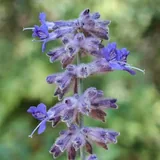
Blue-violet and silvery flowers give a clean contrast to the pink-lilac:

catmint (Nepeta)sage 'Caradonna'perovskialamb's ear (Stachys)

Contrasting accents

Blue spires and silver foliage balance the lilac sheen:

DelphiniumPerovskiaStachys byzantina

More about the variety

Hips
Unknown
Variations of the variety
The same variety is sold as 'Sœur Emmanuelle' (France) and under other names; Delbard registers it as a Floribunda, but by habit it is a fragrant shrub

How to grow

Where to plant. In a mixed border, a fragrant garden, near seating areas (for its unusual aniseed scent); lovely for cutting.

Climate. South and centre of Ukraine: no protection needed; in the north: winter protection (USDA zone 6b).

Care. Moderate; full sun, rich soil; the flowers hold up well in rain; feed twice in the season.

About the name

Name. The German name honours Dieter Müller (born 1948), a German chef who held 3 Michelin stars (Restaurant Dieter Müller). The French name, 'Sœur Emmanuelle', honours Sister Emmanuelle (1908–2008), a Belgian-French nun and humanitarian. Both names suit its 'gourmet' herbal scent.

Breeding. Raised by the house of Georges Delbard (France) in 2004; part of Delbard's scented line, whose theme is culinary and herbal fragrances. Code: DELamo. Parent forms not published.

Significance. A 'signature' variety for scent: a rare aniseed-basil bouquet; healthy and rain-resistant. Gold medal at Rome (2008) and the Prix SNHF in Paris (2008).

Frequently asked questions about Dieter Müller

Does Dieter Müller need winter protection?

The cultivar’s reference temperature is −20 °C (USDA zone 6b–9). Overwintering depends on the conditions. South and centre of Ukraine; in the north, with winter protection.

How many times a season does Dieter Müller flower?

Repeat-flowering continuously, from May to the first frosts.

How big does Dieter Müller grow?

80–100 cm tall, about 60 cm wide.

Which diseases affect Dieter Müller?

Overall resistance: 4 out of 5. Very good: resistant to mildew and black spot; rain-resistant.

How much sun does Dieter Müller need?

Full sun; the flowers hold up well in rain.

What does Dieter Müller smell like?

Strong; a characteristic aniseed-herb scent: aniseed, basil, fennel and lavender (aniseed dominates).

Gardeners' photos and reviews

My climate

Choose a reference temperature to compare with the cultivar’s data. This is not an overwintering forecast or advice on winter protection; consider wind, moisture and the duration of frost.

Regional data are generalised. USDA describes average annual extreme minima, not a forecast; the values in the list are rounded. Check the conditions at your site. More information: Roses in Ukraine's climate.