



Back to catalogue
Shrub; Anglo-French styleBiljana Božanić Tanjga + Peter Cox; Pheno Geno Roses, 2016Bicolour

Natalija Frayla

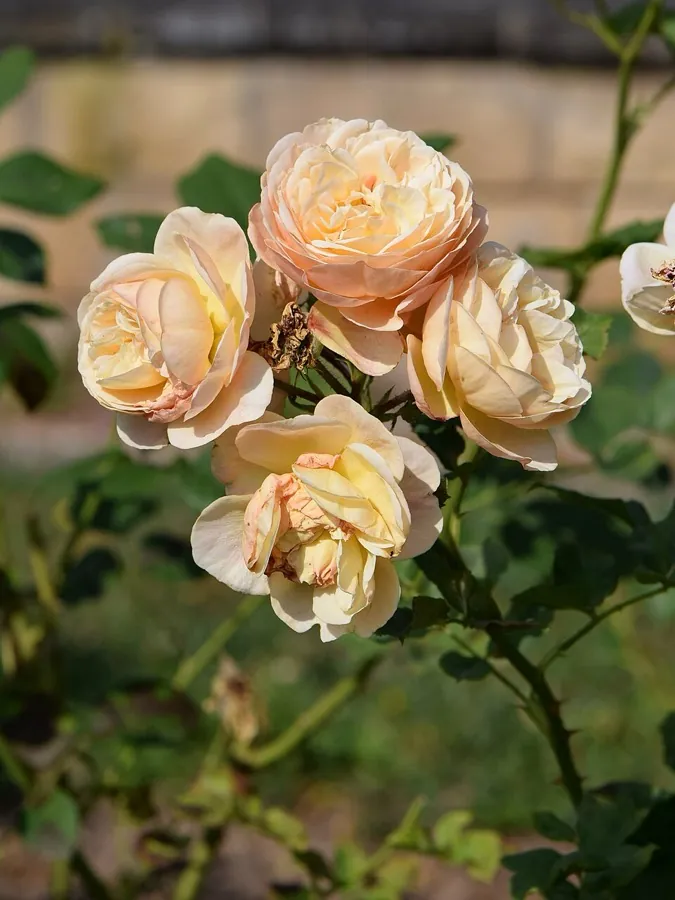
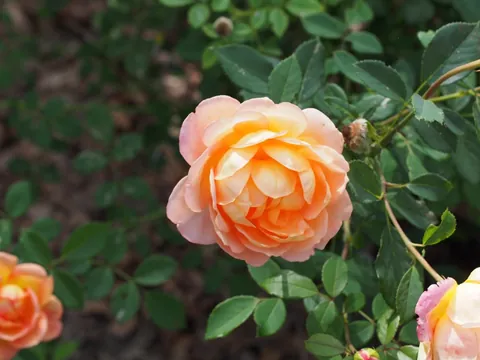
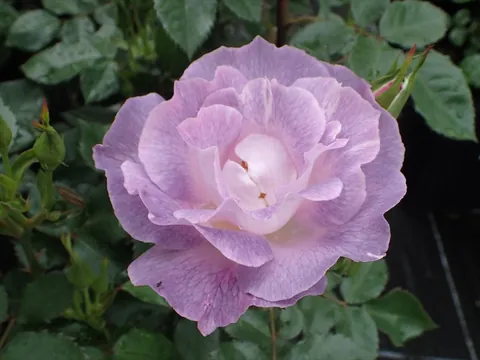
Apricot with a pink reverse. The Fragrant Frayla® Pheno Geno series is by a Serbian house that dedicates its varieties to prominent Serbian women. In the USA it is sold as Flavorette Honey-Apricot (2023, Star Roses). 🇸🇷 Probably named after Queen Natalija Obrenović (1859–1941).

Fragrant Frayla® series · Pheno Geno Roses, Serbia

Variety profile

Flowering

Repeat, in flushes

Repeat flowering from June to October, with pronounced flushes. Months are approximate, for the climate of Ukraine.

Use

Fragrance variety

One of the most fragrant modern varieties · Star Roses 2023

Winter hardiness

−20 °C

USDA zone 6. In Ukraine, with winter protection.

Compare reference temperatures

Plant size

60–75 × 70 cm
person 170 cm60–75 cm
Habit
Compact, upright Shrub
Dimensions
60–75 cm tall × up to 70 cm wide — compact
Support
Not needed — self-supporting
Shoots
Medium stiffness, dark green
Branching
Well branched, with sturdy stems

Flower

≈ 7 cm

Up to 82 petals.

Bud shape
Rounded, apricot-cream with pink shades
Open flower
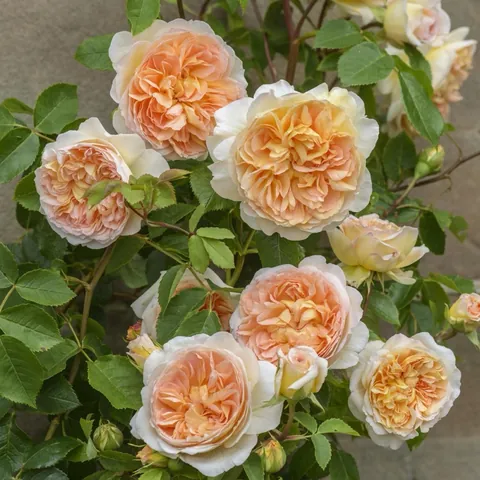
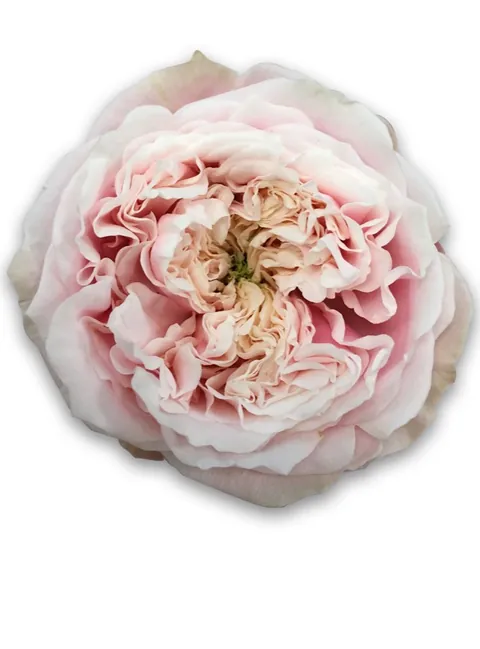
Very full (41+, ~82 petals): cup-and-rosette form with a noticeable pink reverse
Centre
Closely packed, with concentric 'petticoat' petals
Fullness
Up to 82 petals — very full, typical of the Frayla series
Flower carriage
In small clusters of 3–5, typical of a modern Shrub

Fragrance

Medium/strong; fruity; spice; sweet

Medium to strong and fruity, with notes of spice and sweetness (HMF: 'Mild to strong, fruity, spice, sweet'). Star Roses describes Flavorette as 'one of the most fragrant modern varieties'.

Disease resistance

3 out of 5
Powdery mildewsusceptible

Moderate — 3/5; susceptible to powdery mildew in damp weather; in Ukraine it needs winter protection.

Sun

Full sun

The colour is brighter in cool weather.

Thorns

Few
thornlessfewmoderatemanyvery many

Few thorns — typical of modern Pheno Geno Shrubs.

Foliage

Dark green, semi-glossy.

Other names

Eveline Wild, Flavorette™ Honey-Apricot, Mia™ Bella
All characteristics in a table
Group
Shrub; Anglo-French style
Breeder
Biljana Božanić Tanjga + Peter Cox; Pheno Geno Roses, Serbia, 2016
Bud shape
Rounded, apricot-cream with pink shades
Open flower
Very full (41+, ~82 petals): cup-and-rosette form with a noticeable pink reverse
Centre
Closely packed, with concentric 'petticoat' petals
Colour
Two-tone apricot-pink palette: the front of the petals is apricot-honey, the reverse is pink. A unique 'two flowers in one' effect as the bloom opens
Fullness
Up to 82 petals — very full, typical of the Frayla series
Flower carriage
In small clusters of 3–5, typical of a modern Shrub
Flowering
Repeat flowering from June to October, with pronounced flushes
Fragrance
Medium to strong and fruity, with notes of spice and sweetness (HMF: 'Mild to strong, fruity, spice, sweet'). Star Roses describes Flavorette as 'one of the most fragrant modern varieties'
Hips
Not documented; spent blooms are mostly cut off for repeat flowering
Habit
Compact, upright Shrub
Branching
Well branched, with sturdy stems
Shoots
Medium stiffness, dark green
Thorns
Few thorns — typical of modern Pheno Geno Shrubs.
Dimensions
60–75 cm tall × up to 70 cm wide — compact
Support
Not needed — self-supporting
Foliage
Dark green, semi-glossy
Resistance
Moderate — 3/5; susceptible to powdery mildew in damp weather; in Ukraine it needs winter protection
Variations of the variety
Code BOZnatafra (other internal code: BOZcba001). Introduced around 2016 in the Netherlands. Parentage: not officially announced (HMF: 'not yet ascertained'). Synonyms: 🇳🇱 Eveline Wild™ ('Taste of Love' series), 🇺🇸 Flavorette™ Honey-Apricot (2023, Star Roses), 🇬🇧 Mia™ Bella® (UK). The breeder is NOT Zoran Frayla; the real breeders are Biljana Božanić Tanjga and Peter Cox. 'Frayla' is the name of the series (Serbian for 'Fräulein / young lady'), not a surname

Colour scheme

Two-tone apricot-pink palette: the front of the petals is apricot-honey, the reverse is pink. A unique 'two flowers in one' effect as the bloom opens

Rose neighbours

Perennials to plant nearby

Neighbouring roses

Apricot-pink cottage family for romantic arrangements:

Perennial companions

Classic cottage palette with purple-silver tones:

lavenderlamb's ear (Stachys)lady's mantle (Alchemilla)catmint (Nepeta)

Availability worldwide

Growing popularity as a fragrance variety:

  • 🇸🇷🇳🇱: high · Pheno Geno home
  • 🇬🇧 UK: moderate · Trevor White Roses
  • 🇺🇸 USA: moderate · as Flavorette Honey-Apricot (Star Roses 2023)
  • 🇺🇦 Ukraine: rare

More about the variety

Hips
Not documented; spent blooms are mostly cut off for repeat flowering
Variations of the variety
Code BOZnatafra (other internal code: BOZcba001). Introduced around 2016 in the Netherlands. Parentage: not officially announced (HMF: 'not yet ascertained'). Synonyms: 🇳🇱 Eveline Wild™ ('Taste of Love' series), 🇺🇸 Flavorette™ Honey-Apricot (2023, Star Roses), 🇬🇧 Mia™ Bella® (UK). The breeder is NOT Zoran Frayla; the real breeders are Biljana Božanić Tanjga and Peter Cox. 'Frayla' is the name of the series (Serbian for 'Fräulein / young lady'), not a surname

How to grow

Where to plant. In a cottage garden at the front of a border, in beds with lavender, beside paths and seating areas, so the scent can be enjoyed. A lovely fragrance variety by terraces, benches and the house entrance.

Climate. Central and eastern Ukraine with winter protection (USDA 6); in a western climate no protection is needed. The colour is brighter in cool weather.

Care. Full sun; a well-ventilated spot (important against powdery mildew); feed 2–3 times a season; prune about ⅓ in spring; cut for home bouquets: short stems, fragrant 'vintage' arrangements.

About the name

Name. 🇸🇷 'Natalija Frayla' is probably named after Queen Natalija Obrenović (1859–1941), wife of King Milan I of Serbia. The Fragrant Frayla® Pheno Geno series honours prominent Serbian women: humanists, queens and artists. 'Frayla' is a Serbian archaic word meaning 'Fräulein / young lady / noblewoman'. In different countries the variety is sold under alternative trade names: 🇳🇱 Eveline Wild™, 🇺🇸 Flavorette™ Honey-Apricot, 🇬🇧 Mia™ Bella®.

Breeding. Bred by Biljana Božanić Tanjga and Peter Cox at Pheno Geno Roses (Serbia), one of Serbia's leading breeding houses, focused on fragrant modern Shrubs. Code BOZnatafra. Introduced around 2016 in the Netherlands; in the USA in 2023 through Star Roses (as Flavorette Honey-Apricot). Parentage not officially announced. A common myth names the breeder 'Zoran Frayla': this is wrong; the real breeders are Biljana Božanić Tanjga and Peter Cox.

Significance. One of the most fragrant modern varieties (according to Star Roses marketing, 2023). The Fragrant Frayla® series is a Serbian cultural-national line dedicated to prominent Serbian women. Flexible trade names for different markets (Eveline Wild in the NL, Flavorette in the US, Mia Bella in the UK) are uncommon but important for marketing modern varieties. No major official awards (AARS and ADR not given), but it is actively promoted in the USA as 'the most fragrant'.

Frequently asked questions about Natalija Frayla

Does Natalija Frayla need winter protection?

The cultivar’s reference temperature is −20 °C (USDA zone 6). Overwintering depends on the conditions. In Ukraine, with winter protection.

How many times a season does Natalija Frayla flower?

Repeat flowering from June to October, with pronounced flushes.

How big does Natalija Frayla grow?

60–75 cm tall, about 70 cm wide.

Which diseases affect Natalija Frayla?

Overall resistance: 3 out of 5. Moderate; susceptible to powdery mildew in damp weather.

How much sun does Natalija Frayla need?

Sun; full sun; the colour is brighter in cool weather.

What does Natalija Frayla smell like?

Medium to strong and fruity, with notes of spice and sweetness (HMF: 'Mild to strong, fruity, spice, sweet'). Star Roses describes Flavorette as 'one of the most fragrant modern varieties'.

Gardeners' photos and reviews

My climate

Choose a reference temperature to compare with the cultivar’s data. This is not an overwintering forecast or advice on winter protection; consider wind, moisture and the duration of frost.

Regional data are generalised. USDA describes average annual extreme minima, not a forecast; the values in the list are rounded. Check the conditions at your site. More information: Roses in Ukraine's climate.