Back to catalogue
Shrub; Générosa®Guillot; Dominique Massad, 2007Yellow

Reine Sammut

The Générosa® collection; named after the Michelin-starred chef Reine Sammut.

Guillot's fragrant 'gastronomic' collection

Variety profile

Flowering

Repeat flowering

Very remontant (très remontant), from May to the first frosts. Months are approximate, for the climate of Ukraine.

Feature

Générosa

Guillot's 'gastronomic' series of fragrant roses (Paul Bocuse, Anne-Sophie Pic)

Winter hardiness

−15 °C

USDA zone 6–7. Central and southern Ukraine; in the north — reliable protection.

Compare reference temperatures

Plant size

100 × 50–80 cm
person 170 cm100 cm
Habit
Upright, medium-height bush (buissonnant)
Dimensions
~100 cm tall × 50–80 cm wide (sources differ)
Support
No support needed — a self-supporting bush; for a specimen or a group
Shoots
Sturdy (no exact data in the sources)
Branching
Good, even

Flower

≈ 10 cm
Bud shape
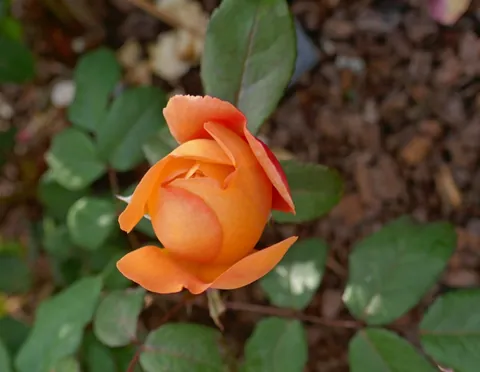
Round, cherry-red
Open flower
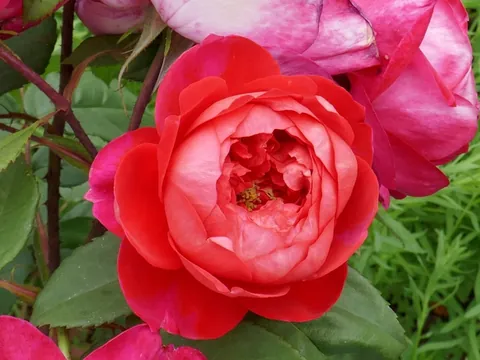
Cup-shaped, globular, very double; ~10 cm across
Centre
Dense; the golden reverse of the petals shows through as it opens
Fullness
Very double; the exact number of petals is not given in the sources
Flower carriage
Large flowers that hold well — good for cutting

Fragrance

Strong; lemon and blackcurrant

Strong — rich, with notes of lemon and blackcurrant (cassis).

Sun

Full sun

A warm, sunny spot — brings out the fragrance.

Thorns

Moderate
thornlessfewmoderatemanyvery many

Approximate; there is no exact data on thorns in the sources.

Foliage

Medium green, deciduous.

Other names

Breeder's code MASmagbe.

All characteristics in a table
Group
Shrub; Générosa®
Breeder
Guillot; Dominique Massad, 2007
Bud shape
Round, cherry-red
Open flower
Cup-shaped, globular, very double; ~10 cm across
Centre
Dense; the golden reverse of the petals shows through as it opens
Colour
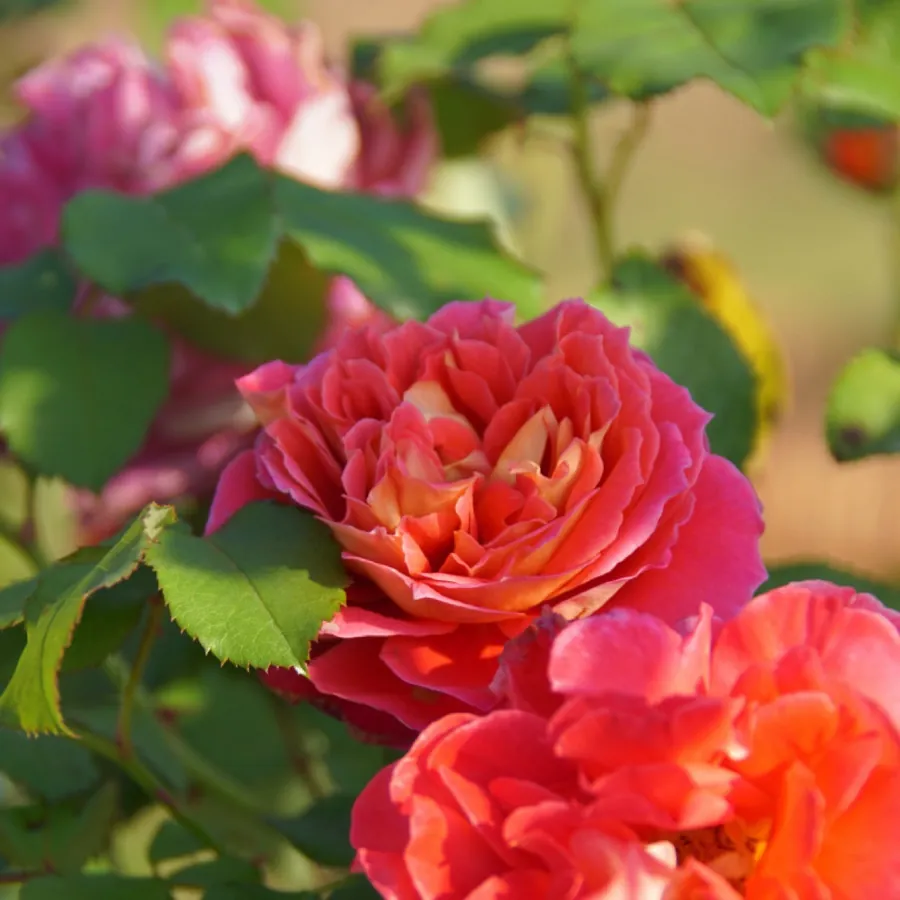
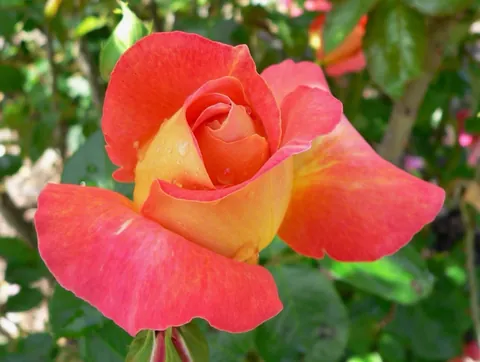
Raspberry-cherry-red petals with a golden-yellow reverse; in cool weather, softer pink-yellow 'watercolour' shimmers
Fullness
Very double; the exact number of petals is not given in the sources
Flower carriage
Large flowers that hold well — good for cutting
Flowering
Very remontant (très remontant), from May to the first frosts
Fragrance
Strong — rich, with notes of lemon and blackcurrant (cassis)
Hips
Not documented
Habit
Upright, medium-height bush (buissonnant)
Branching
Good, even
Shoots
Sturdy (no exact data in the sources)
Thorns
Approximate; there is no exact data on thorns in the sources.
Dimensions
~100 cm tall × 50–80 cm wide (sources differ)
Support
No support needed — a self-supporting bush; for a specimen or a group
Foliage
Medium green, deciduous
Resistance
The Générosa series as a whole is healthy; no separate numerical rating for this variety
Variations of the variety
In cool weather the colour is softer, 'watercolour'; Provençal character (Luberon, lavender)
Colour scheme

Raspberry-cherry-red petals with a golden-yellow reverse; in cool weather, softer pink-yellow 'watercolour' shimmers

Rose neighbours

Perennials to plant nearby

Neighbouring roses

Warm cherry-red and bicolour varieties — they support a rich, 'gastronomic' mood around Reine Sammut.

Perennial companions

A Provençal palette — lavender, catmint and grey-blue herbs to set off the cherry-red rose:

lavender 'Munstead'catmint (Nepeta)sage 'Caradonna'Russian sage (Perovskia)

Contrasting accents

Warm-toned yarrow and grasses add a Provençal 'dry' texture:

Achillea 'Terracotta'ornamental grasses (Stipa)Perovskia

More about the variety

Hips
Not documented
Variations of the variety
In cool weather the colour is softer, 'watercolour'; Provençal character (Luberon, lavender)
How to grow

Where to plant. A striking solo or a group in a Mediterranean / Provençal garden; beside a bench or path where the rich lemon-blackcurrant scent can be enjoyed.

Climate. Central and southern Ukraine — good; in the north (at the −15 °C zone boundary) reliable winter protection is needed.

Care. A warm, sunny spot, moderate pruning in spring, removal of spent flowers, feeding twice per season.

About the name

Name. Named after Reine Sammut (born 1953, Vosges) — a French chef, owner of the restaurant Auberge La Fenière in Luberon (Provence); one of the few women chefs with a Michelin star (since 1995).

Breeding. The Guillot house, breeder Dominique Massad, around 2007. Patent code MASmagbe. Parentage is not officially disclosed.

Significance. Part of the 'gastronomic' Générosa® range, whose varieties are named after outstanding chefs (Paul Bocuse, Anne-Sophie Pic). Its Provençal character makes it a natural partner for a Mediterranean garden.

Frequently asked questions about Reine Sammut

Does Reine Sammut need winter protection?

The cultivar’s reference temperature is −15 °C (USDA zone 6–7). Overwintering depends on the conditions. Central and southern Ukraine; in the north — reliable protection.

How many times a season does Reine Sammut flower?

Very remontant (très remontant), from May to the first frosts.

How big does Reine Sammut grow?

About 100 cm tall, 50–80 cm wide.

How much sun does Reine Sammut need?

Full sun; a warm, sunny spot — brings out the fragrance.

What does Reine Sammut smell like?

Strong — rich, with notes of lemon and blackcurrant (cassis).

Gardeners' photos and reviews

My climate

Choose a reference temperature to compare with the cultivar’s data. This is not an overwintering forecast or advice on winter protection; consider wind, moisture and the duration of frost.

Regional data are generalised. USDA describes average annual extreme minima, not a forecast; the values in the list are rounded. Check the conditions at your site. More information: Roses in Ukraine's climate.