



Back to catalogue
China; Rosa × odorata 'Mutabilis'; «Tipo Ideale»Henri Correvon, 1934Yellow

Mutabilis

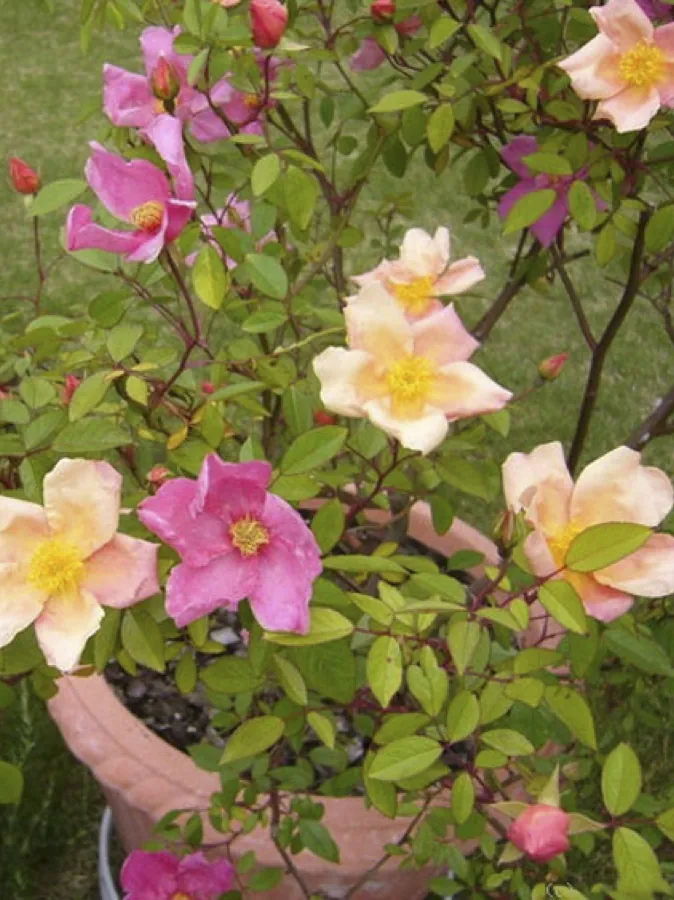
'Butterfly Rose': the flowers change colour: sulphur-yellow – apricot – pink – crimson. WFRS HoF 2012 + RHS AGM + Earth-Kind (Texas A&M). Repeat flowering in waves all season. Grown in the gardens of the Borromeo princes on Isola Bella before its official introduction in 1934.

WFRS Old Rose Hall of Fame 2012 + RHS AGM + Earth-Kind

Variety profile

Flowering

Repeat, in flushes

Repeat-blooming: in waves all season, from spring to the first frosts. Months are approximate, for the climate of Ukraine.

Awards

WFRS HoF 2012

Old Rose HoF · RHS AGM · Earth-Kind

Winter hardiness

−15 °C

USDA zone 7b–10b. Needs protection in most of Ukraine; suitable for Zakarpattia, Crimea and the Odesa region.

Compare reference temperatures

Plant size

120–200 × 120–180 cm
person 170 cm120–200 cm
Habit
An upright or spreading bush; with age it forms a 'vase' structure
Dimensions
Typically 1.2–2.0 m × 1.2–1.8 m; in a warm climate up to 3 m tall and wide, becoming a striking 'specimen' mass
Support
Needs none; self-supporting
Shoots
Flexible, reddish-brown when young (a characteristic China trait)
Branching
Well branched, with flexible stems

Flower

≈ 7 cm

5 petals.

Bud shape
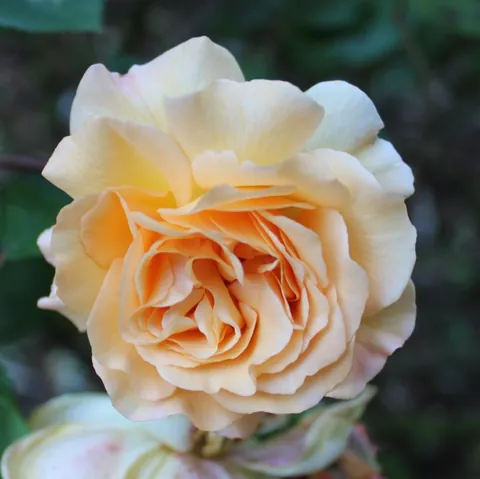
Pointed, sulphur-yellow with an apricot tint
Open flower
Cupped single, 5 petals, about 7 cm: the simple classic form of China-roses
Centre
Conspicuous yellow-orange stamens in the centre
Fullness
Single: 5 petals
Flower carriage
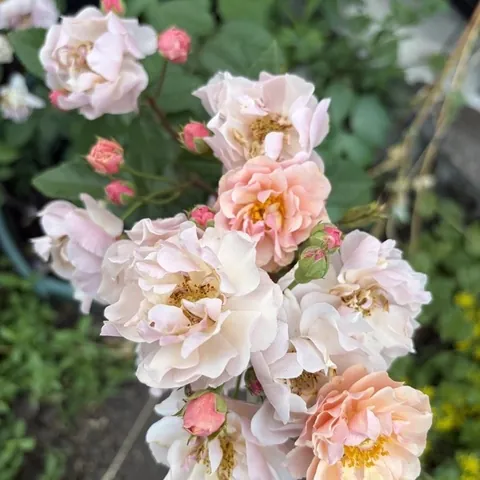
In small, loose clusters of 3–7 flowers

Fragrance

Light; a light tea scent

Disease resistance

5 out of 5

Among the most resilient old roses; included in the Earth-Kind Texas A&M programme (minimal care without chemicals); Chinese origin means low hardiness (USDA 7b).

Sun

Sun + shade

Tolerates partial shade; full sun makes the colourful metamorphosis brighter.

Thorns

Few
thornlessfewmoderatemanyvery many

Few thorns: a characteristic trait of China-roses.

Foliage

Small, dark green, glossy; young foliage with a bronze-red tint (typical of China-roses).

All characteristics in a table
Group
China; Rosa × odorata 'Mutabilis'; «Tipo Ideale»
Breeder
Henri Correvon, 1934
Bud shape
Pointed, sulphur-yellow with an apricot tint
Open flower
Cupped single, 5 petals, about 7 cm: the simple classic form of China-roses
Centre
Conspicuous yellow-orange stamens in the centre
Colour
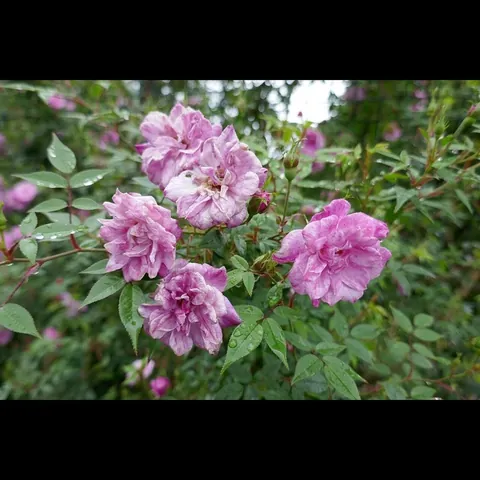
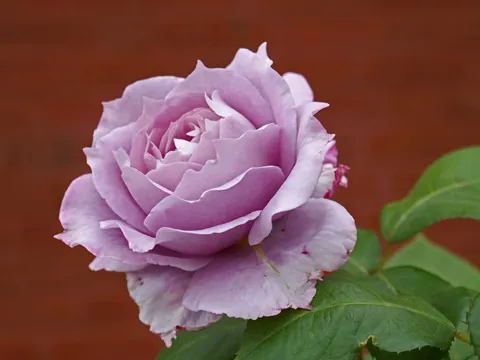
A UNIQUE METAMORPHOSIS: the bud opens sulphur-yellow with a peach-apricot tint, then turns pink, and then crimson or purple-red before it falls. The bush carries flowers of every stage at once, like a flock of butterflies, hence the nickname 'Butterfly Rose'.
Fullness
Single: 5 petals
Flower carriage
In small, loose clusters of 3–7 flowers
Flowering
Repeat-blooming: in waves all season, from spring to the first frosts
Fragrance
Light, a light tea scent
Hips
Produces small orange rose hips in autumn
Habit
An upright or spreading bush; with age it forms a 'vase' structure
Branching
Well branched, with flexible stems
Shoots
Flexible, reddish-brown when young (a characteristic China trait)
Thorns
Few thorns: a characteristic trait of China-roses.
Dimensions
Typically 1.2–2.0 m × 1.2–1.8 m; in a warm climate up to 3 m tall and wide, becoming a striking 'specimen' mass
Support
Needs none; self-supporting
Foliage
Small, dark green, glossy; young foliage with a bronze-red tint (typical of China-roses)
Resistance
Among the most resilient old roses; included in the Earth-Kind Texas A&M programme (minimal care without chemicals); Chinese origin means low hardiness (USDA 7b)
Variations of the variety
Original name 'Tipo Ideale', from the Borromeo family; also known as Rosa × odorata 'Mutabilis' in RHS-nomenclature

Colour scheme

A UNIQUE METAMORPHOSIS: the bud opens sulphur-yellow with a peach-apricot tint, then turns pink, and then crimson or purple-red before it falls. The bush carries flowers of every stage at once, like a flock of butterflies, hence the nickname 'Butterfly Rose'.

Rose neighbours

Perennials to plant nearby

Neighbouring roses

China roses and Hybrid Musks in a warm palette — for a 'Mediterranean' corner:

Companion perennials

A Mediterranean palette — aromatic herbs and warm tones:

lavenderrosemarycatmintpelargonium

Contrasting accents

Deep blues and violets to 'calm' the warm colour changes:

hybrid salviasalvia 'Caradonna'brunneraSiberian iris

More about the variety

Hips
Produces small orange rose hips in autumn
Variations of the variety
Original name 'Tipo Ideale', from the Borromeo family; also known as Rosa × odorata 'Mutabilis' in RHS-nomenclature

How to grow

Where to plant. As a solitary 'focal shrub' (the metamorphosis makes it the central star); for Mediterranean-style corners; in large pots on sunny southern terraces; for permanent borders with repeat flowering (unlike gallicas); as a hedge in warm climates (up to 3 m high).

Climate. USDA 7b–10b. In central and northern Ukraine it needs protection, or overwintering in a container (for example in a cellar). In Crimea, Zakarpattia and the Odesa region, no protection is needed.

Care. Minimal; one of the most resilient roses (Earth-Kind programme); light formative pruning by 1/3 in spring; full sun for a bright metamorphosis. In a cold climate, grow it in a large container.

About the name

Name. 🇮🇹 'Tipo Ideale' ('Ideal Type'), the original name from the Borromeo family, who grew it in the Isola Bella gardens on Lake Maggiore, where local gardeners knew it as the 'ideal rose'. The Latin 'mutabilis' means 'changeable', pointing to the unique colour change of the flower over its life. The nickname 'Butterfly Rose' comes from the flowers of every stage on the bush looking like a flock of butterflies.

Breeding. It comes from China; the exact originator is unknown; it is an old Chinese line of China-roses. In 1894 Prince Gilberto Borromeo gave a cutting to the Swiss botanist Henri Correvon (Geneva), who officially introduced it to European commerce in 1934. It had been grown in the Borromeo gardens since the XVIII century. The dates are often confused: 1894 is the year of the cutting, 1934 the year of the official commercial introduction.

Significance. WFRS Old Rose Hall of Fame 2012. RHS Award of Garden Merit. Earth-Kind Rose (Texas A&M): among the least demanding roses, needing no chemicals. It is unique among all roses: it is the only one with a 'butterfly' effect of colour change from yellow to crimson on one bush. It is a symbol of the Chinese heritage in European gardening, a reminder that many modern roses owe their colours and repeat flowering to the China-family.

Frequently asked questions about Mutabilis

Does Mutabilis need winter protection?

The cultivar’s reference temperature is −15 °C (USDA zone 7b–10b). Overwintering depends on the conditions. Needs protection in most of Ukraine; suitable for Zakarpattia, Crimea and the Odesa region.

How many times a season does Mutabilis flower?

Repeat-blooming: in waves all season, from spring to the first frosts.

How big does Mutabilis grow?

120–200 cm tall, 120–180 cm wide.

Which diseases affect Mutabilis?

Overall resistance: 5 out of 5. Among the most resilient old roses; the Earth-Kind programme (Texas A&M).

How much sun does Mutabilis need?

Sun + shade; tolerates partial shade; full sun makes the colourful metamorphosis brighter.

What does Mutabilis smell like?

Light, a light tea scent.

Gardeners' photos and reviews

My climate

Choose a reference temperature to compare with the cultivar’s data. This is not an overwintering forecast or advice on winter protection; consider wind, moisture and the duration of frost.

Regional data are generalised. USDA describes average annual extreme minima, not a forecast; the values in the list are rounded. Check the conditions at your site. More information: Roses in Ukraine's climate.