



About the name
Name. The variety is dedicated to Johann Wolfgang von Goethe (1749–1832), the greatest German poet, playwright and prose writer of the Enlightenment and Romantic era; author of 'Faust', 'The Sorrows of Young Werther' and 'Wilhelm Meister'. Goethe was also a natural scientist and botanist — he wrote the scientific work 'The Metamorphosis of Plants' (1790), which influenced the understanding of flower structure in European botany. That makes this dedication especially fitting.
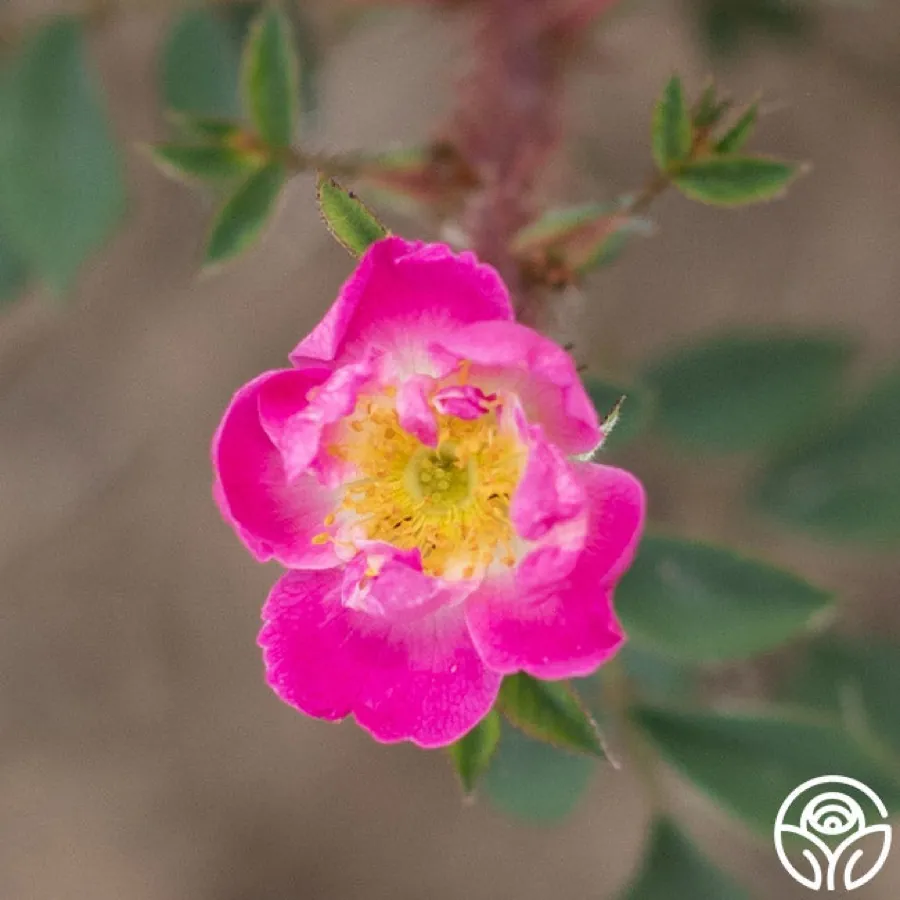
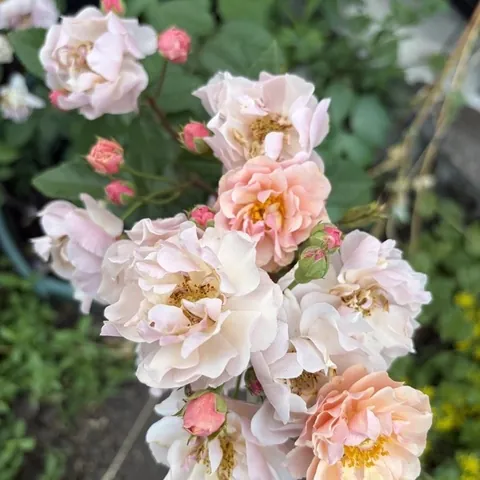
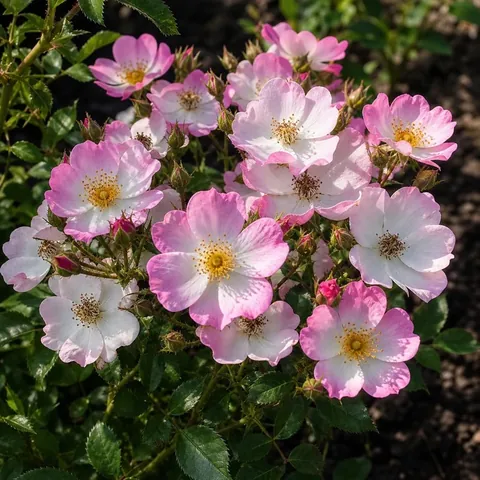
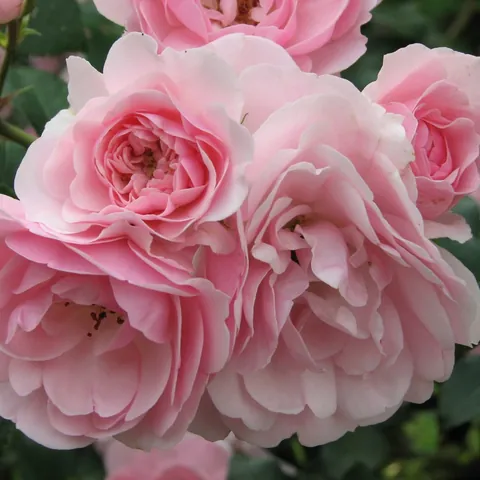
Breeding. Bred by Peter Lambert in Trier, Germany, 1911. Lambert was one of the key figures of German rose breeding in the early XX century; his best-known variety is 'Frau Karl Druschki' (1901), the legendary white hybrid perpetual that became the model of 'white roses' in the XX century. Lambert also created Hybrid Musks (Lambertianas), the forerunners of Hybrid Musks Pemberton. Goethe's parentage: Rosa multiflora × unknown. A hybrid between traditional moss roses (with the characteristic mossy bristles on the sepals) and multiflora (with small flowers in clusters) — a rare combination.
Significance. An experimental work by Lambert at the junction of two classes — Moss × Multiflora. It produced an unusual combination: mossiness (glandular bristles on the sepals) + a cluster inflorescence (multiflora origin) + exceptional hardiness (to −37 °C) + triploidy (usually sterile, which produces no seed and must be propagated vegetatively). Today the variety remains a rare collector's curiosity, which illustrates a striking contrast: a classic German 'literary' name (Goethe — a symbol of high culture) on an experimental hybrid plant (a scientific work at the junction of classes). It is practically absent from modern Ukrainian collections — it has to be sought in European specialist nurseries for old roses.