


Back to catalogue
China rosePierre Guillot; Lyon, 1896White and cream

Irène Watts

One of the last varieties of Pierre Guillot before his death (1897); parentage: seedling of 'Madame Laurette Messimy'; the 'true' Irene Watts may be lost: in commerce it is often a different variety.

Chinensis · historic classic

Variety profile

Flowering

Repeat flowering

Repeat-flowering, in flushes from early summer to autumn: typical of China roses. Months are approximate, for the climate of Ukraine.

Origin

Guillot 1896

Lyon · historic China · collector's rarity

Winter hardiness

−15 °C

USDA zone 7b+. Problematic for Ukraine: only the south, or with protection.

Compare reference temperatures

Plant size

45–60 × 60 cm
person 170 cm45–60 cm
Habit
A compact shrub; in mild climates (California, southern Europe) it reaches 100 cm; in Ukraine it stays compact
Dimensions
45–60 cm tall × 60 cm wide (up to 100 cm in mild climates)
Support
No support needed
Shoots
Flexible, with a delicate bronze tint on young canes
Branching
Good

Flower

≈ 10 cm

Full, about 50 petals (HMF: 41+) petals.

Bud shape
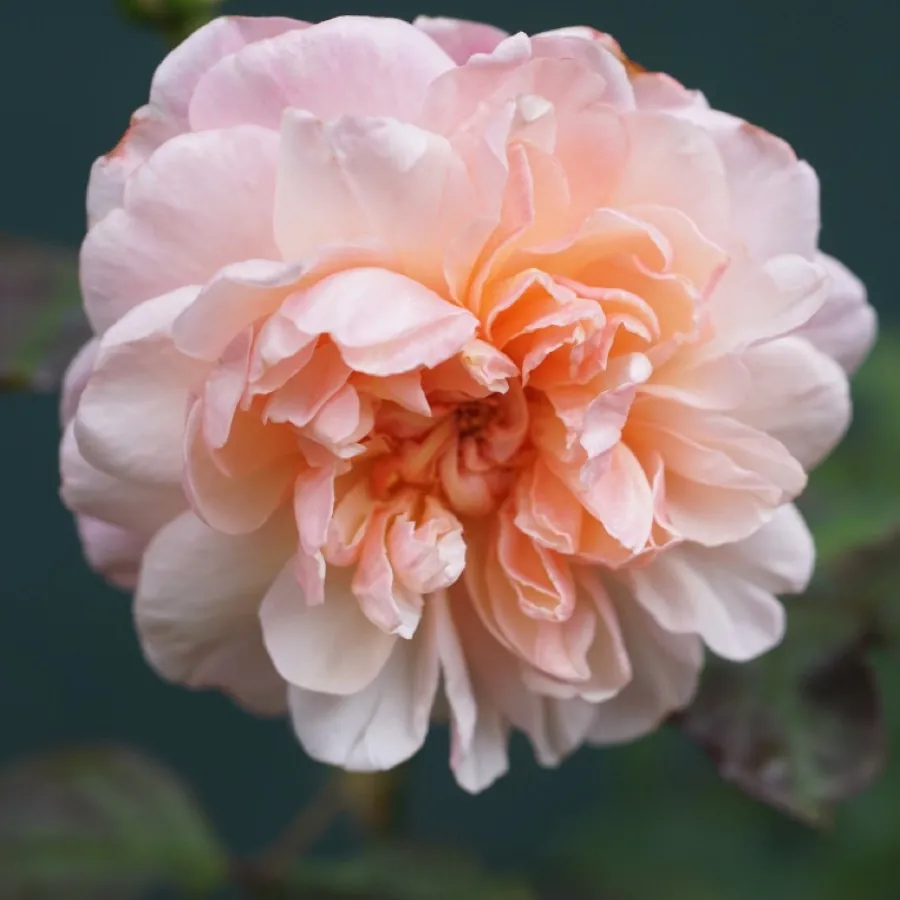
Round-oval, cream with pink notes
Open flower
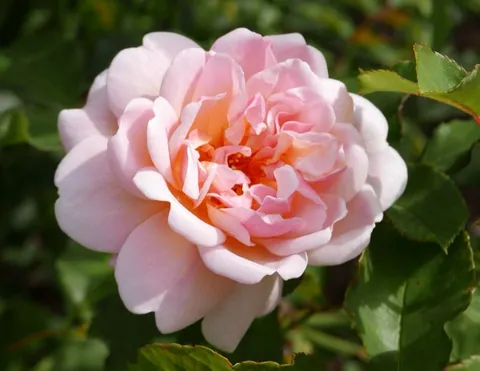
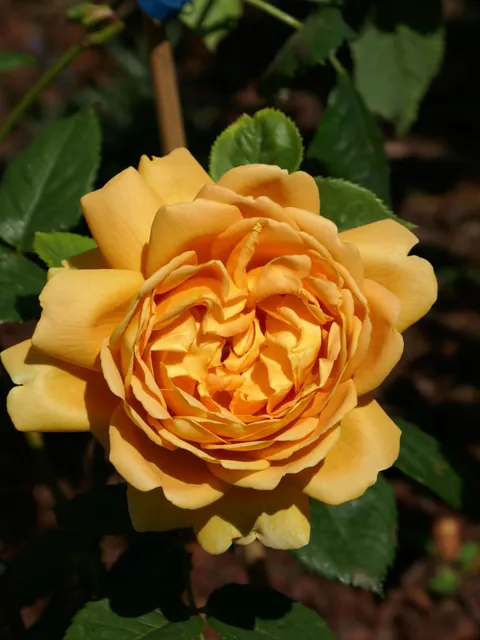
Double, classic China form with delicate petal curls; about 10 cm across
Centre
Warm salmon-pink, gradually lightening towards the edge
Fullness
Full, about 50 petals (HMF: 41+)
Flower carriage
Singly or in small clusters of 2–3

Fragrance

Moderate

Moderate sweet scent, from light to strong depending on the weather.

Disease resistance

3 out of 5

Moderate: typical of China roses; black spot is possible in humid climates.

Sun

Full sun

Tolerates partial shade.

Thorns

Few
thornlessfewmoderatemanyvery many

Almost thornless: typical of China roses, especially pleasant in a garden.

Foliage

Dark green; young leaves with a bronze tint: a characteristic feature of China roses.

All characteristics in a table
Group
China rose
Breeder
Pierre Guillot; Lyon, France, 1896
Bud shape
Round-oval, cream with pink notes
Open flower
Double, classic China form with delicate petal curls; about 10 cm across
Centre
Warm salmon-pink, gradually lightening towards the edge
Colour
'cream overlaid with pink, peach, salmon': creamy ivory with pink and salmon tones, warmer towards the centre. A very soft 'vintage' colour
Fullness
Full, about 50 petals (HMF: 41+)
Flower carriage
Singly or in small clusters of 2–3
Flowering
Repeat-flowering, in flushes from early summer to autumn: typical of China roses
Fragrance
Moderate sweet scent, from light to strong depending on the weather
Hips
Possible decorative hips in mild climates
Habit
A compact shrub; in mild climates (California, southern Europe) it reaches 100 cm; in Ukraine it stays compact
Branching
Good
Shoots
Flexible, with a delicate bronze tint on young canes
Thorns
Almost thornless: typical of China roses, especially pleasant in a garden.
Dimensions
45–60 cm tall × 60 cm wide (up to 100 cm in mild climates)
Support
No support needed
Foliage
Dark green; young leaves with a bronze tint: a characteristic feature of China roses
Resistance
Moderate: typical of China roses; black spot is possible in humid climates
Variations of the variety
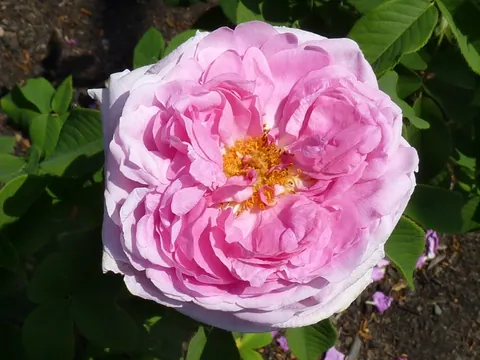
An important clarification: HMF lists the variety as 'Irène Watts — in commerce as', meaning the original Irène Watts Guillot 1896 may be lost. In modern commerce it is often sold under 'Pink Gruss an Aachen' or 'Odee Pink'. Parentage: seedling of 'Madame Laurette Messimy' (China rose, Guillot 1887)

Colour scheme

'cream overlaid with pink, peach, salmon': creamy ivory with pink and salmon tones, warmer towards the centre. A very soft 'vintage' colour

Rose neighbours

Perennials to plant nearby

Rose neighbours

Themed group of historic varieties from the XIX – early XX centuries:

Companion perennials

A classic palette for a vintage garden:

lavender 'Hidcote'Byzantine stachyssoft lady's mantlegeranium 'Wargrave Pink'

Availability worldwide

A collector's rarity — mostly from specialist old-rose nurseries:

  • 🇪🇺 Europe: moderate · Trevor White Roses, Peter Beales, Loubert
  • 🇺🇸 USA: low · Antique Rose Emporium
  • 🇯🇵 Asia: low
  • 🇺🇦 Ukraine: very low · rare, only in collection gardens

More about the variety

Hips
Possible decorative hips in mild climates
Variations of the variety
An important clarification: HMF lists the variety as 'Irène Watts — in commerce as', meaning the original Irène Watts Guillot 1896 may be lost. In modern commerce it is often sold under 'Pink Gruss an Aachen' or 'Odee Pink'. Parentage: seedling of 'Madame Laurette Messimy' (China rose, Guillot 1887)

How to grow

Where to plant. Historic 'vintage' borders, collection gardens of old roses, containers on a terrace (frost protection), south-facing house walls. Problematic for Ukraine because of USDA 7b+: recommended only for the southern regions (Odesa, Zaporizhzhia), or as a container plant moved to a greenhouse for winter.

Climate. Down to −15 °C. In northern and central Ukraine it needs careful protection or container growing; in the south, moderate protection.

Care. Minimal pruning (as for all China roses), sanitary only; removing spent blooms encourages new flushes; standard seasonal disease prevention; careful winter protection is essential.

About the name

Name. The variety is named after a woman called Irène Watts, but no specific biographical record is documented in open sources (RHS, HMF, Trevor White and Peter Beales give no information). A possible link with the Watts suffragist family of the late nineteenth century, but unconfirmed. This is typical of many varieties of the period: breeders named roses after wives, daughters and friends without public record.

Breeding. Bred by Pierre Guillot (son of the famous Jean-Baptiste Guillot) in Lyon, France, 1896. One of the last varieties of Pierre Guillot before his death in 1897. Parentage: seedling of 'Madame Laurette Messimy' (China rose, Guillot 1887, pink). No official breeder code. The Guillot house is one of the most famous in France; it was later revived as Roses Guillot with Dominique Massad and the SIRPHE® team (already in our catalogue: Émilien Guillot, Chantal Mérieux, Grand-Duc Jean, wait, that is Lens!).

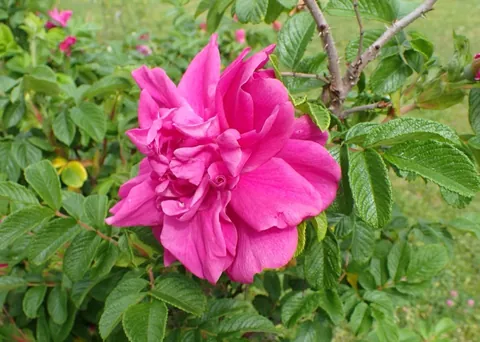
Significance. A collectors' rarity with a historical mystery. Irène Watts provokes disputes among old-rose collectors, since the 'true' Guillot 1896 may be lost, and in modern commerce 'Pink Gruss an Aachen' (Spek 1929) or 'Odee Pink' (of unknown origin) is often sold under this name. HMF lists the variety as 'Irène Watts — in commerce as', meaning there are doubts about the authenticity of commercial material. This is a typical problem for old varieties of the nineteenth century: more than 100 years in circulation means accumulated varietal confusion. In our catalogue it is an example of the 'China branch' of old roses, alongside Hansa (Rugosa 1905) and Felicia (Hybrid Musk 1928).

Frequently asked questions about Irène Watts

Does Irène Watts need winter protection?

The cultivar’s reference temperature is −15 °C (USDA zone 7b+). Overwintering depends on the conditions. Problematic for Ukraine: only the south, or with protection.

How many times a season does Irène Watts flower?

Repeat-flowering, in flushes from early summer to autumn: typical of China roses.

How big does Irène Watts grow?

45–60 cm tall, about 60 cm wide.

Which diseases affect Irène Watts?

Overall resistance: 3 out of 5. Moderate; typical China rose; 130+ years in cultivation.

How much sun does Irène Watts need?

Sun; full sun; tolerates partial shade.

What does Irène Watts smell like?

Moderate sweet scent, from light to strong depending on the weather.

Gardeners' photos and reviews

My climate

Choose a reference temperature to compare with the cultivar’s data. This is not an overwintering forecast or advice on winter protection; consider wind, moisture and the duration of frost.

Regional data are generalised. USDA describes average annual extreme minima, not a forecast; the values in the list are rounded. Check the conditions at your site. More information: Roses in Ukraine's climate.